(732) 444-8822


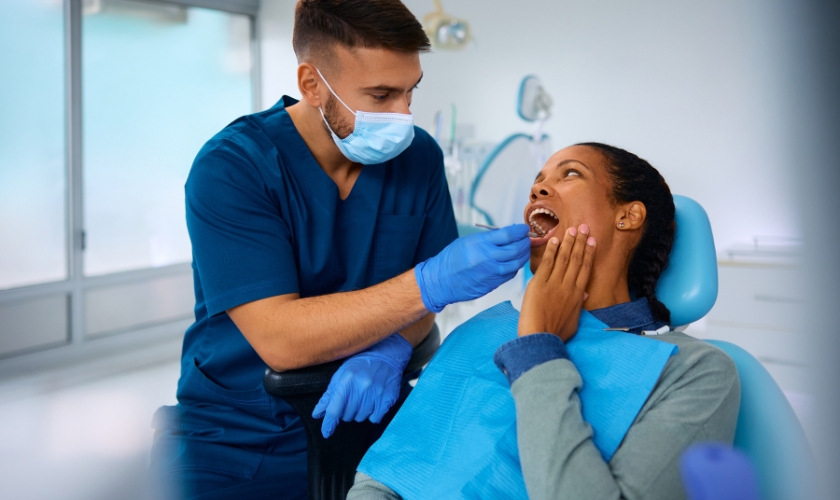
Injuries to the mouth, whether from a fall, an accident, or sports, can be alarming—especially when they result in bleeding gums. While most people are familiar with minor cuts or scrapes, a soft tissue injury in the mouth can be particularly concerning due to the mouth’s rich blood supply. Bleeding gums from an injury, though often not severe, require prompt attention to prevent further complications and ensure proper healing.
Knowing how to respond quickly and effectively to gum injuries can make all the difference. In this blog, we’ll guide you through the steps to take if you experience bleeding gums after an injury and explain when it’s time to seek help from an emergency dentistry expert. Keep reading to learn how to manage the injury and protect your oral health.
Understanding Soft Tissue Injuries in the Mouth
The soft tissues in the mouth, including the gums, cheeks, lips, and the inside of the mouth, are prone to injury because they are soft and sensitive. When these areas get injured, they can bleed easily. Minor injuries, such as a cut or abrasion on the gums, are common and often occur from things like accidentally biting down too hard, a sharp object hitting the gums, or trauma from playing sports or other physical activities.
Though the bleeding may seem alarming, in most cases, it can be controlled with a few simple steps. The key is knowing how to stop the bleeding and care for the wound to avoid infection and further damage.
Immediate Steps to Control Bleeding from Gum Injuries
If you or someone else experiences bleeding gums due to an injury, the first thing you should do is stay calm. While it may look like a serious injury, bleeding from the gums is often manageable. Here’s what you can do to control the bleeding:
- Rinse Your Mouth with Water: Clean your mouth gently with cool water to remove any debris and blood. Avoid using hot water, as it could worsen the bleeding.
- Apply Pressure: Use a clean cloth or gauze to apply gentle pressure to the affected area. Bite down softly on the gauze to help stop the bleeding. Hold the pressure for about 10-15 minutes, and repeat if necessary.
- Elevate Your Head: If the injury occurs at night, try to keep your head elevated while lying down. This helps reduce blood flow to the area and can assist in controlling the bleeding.
- Cold Compress: A cold compress placed on the outside of your cheek near the injured area can help reduce swelling and numb the pain. Make sure to wrap the ice in a cloth to avoid direct contact with the skin.
When to Seek Emergency Dentistry Care
While most gum injuries heal with basic first aid, some injuries may require the attention of an emergency dentistry in Holmdel. If any of the following apply, it’s important to seek professional dental care:
- Persistent Bleeding: If the bleeding continues for more than 20-30 minutes, it’s time to contact an emergency dentist. Prolonged bleeding could indicate a more serious injury that needs professional care.
- Severe Pain or Swelling: If you experience intense pain or swelling that doesn’t improve with over-the-counter pain relief, it’s best to visit a dentist immediately.
- Torn or Lacerated Gums: If the gums are severely torn or if the injury is large, stitches might be needed to close the wound and promote proper healing.
- Loose or Damaged Teeth: If the injury has caused any teeth to loosen or crack, this is a more serious concern that requires professional treatment.
- Signs of Infection: If you notice increased redness, pus, or a fever after the injury, it could be a sign of infection. Prompt treatment is necessary to prevent the infection from spreading.
An emergency dentistry expert in Holmdel can assess the damage and determine whether stitches, medication, or other interventions are needed to ensure proper healing.
Preventing Future Injuries
While accidents happen, there are steps you can take to reduce the risk of gum injuries in the future:
- Wear Mouthguards: If you play sports, especially contact sports, wearing a mouthguard can protect your teeth and gums from injury.
- Avoid Chewing Hard Objects: Try to avoid chewing on hard items like ice, pens, or hard candy, as this can damage your gums and teeth.
- Maintain Oral Health: Regular brushing and flossing, along with regular dental check-ups, can help keep your gums healthy and reduce the risk of injury or infection.
Get the Help You Need
Injuries to the gums can be concerning, but with the right care, most of them heal without issue. If you’ve experienced a gum injury or are unsure whether you need professional help, don’t hesitate to reach out to an emergency dentistry provider in Holmdel.
At Dimension Dental, our team is here to help you with any dental emergency, offering compassionate care and expert treatment to ensure your gums heal properly. Contact us today for assistance and peace of mind following any oral injury. Your health and comfort are our top priority!
FAQs
1. How long does it take for bleeding gums to stop after an injury?
Most bleeding will stop within 10-15 minutes with gentle pressure. If it continues longer, you should contact an emergency dentist.
2. Can I use salt water to rinse my mouth after a gum injury?
Yes, a saltwater rinse can help clean the wound and reduce the risk of infection. However, avoid using hot water, as it may make the bleeding worse.
3. Should I go to the dentist if my gums are only slightly cut?
If the cut is minor and the bleeding stops quickly, you can usually manage the injury at home. However, if the injury worsens, or if there’s severe pain, it’s best to see a dentist.
4. What should I do if my child injures their gums?
For children, follow the same steps: rinse with water, apply gentle pressure, and contact a dentist if bleeding doesn’t stop or if there are signs of a more serious injury.
5. Can I eat or drink after a gum injury?
It’s best to wait until the bleeding stops before eating or drinking. Stick to soft foods and avoid anything hot or spicy that might irritate the injury.
6. How can I tell if my gum injury is infected?
Signs of infection include persistent pain, swelling, redness, pus, or fever. If you notice any of these, seek professional dental care immediately.