(732) 444-8822


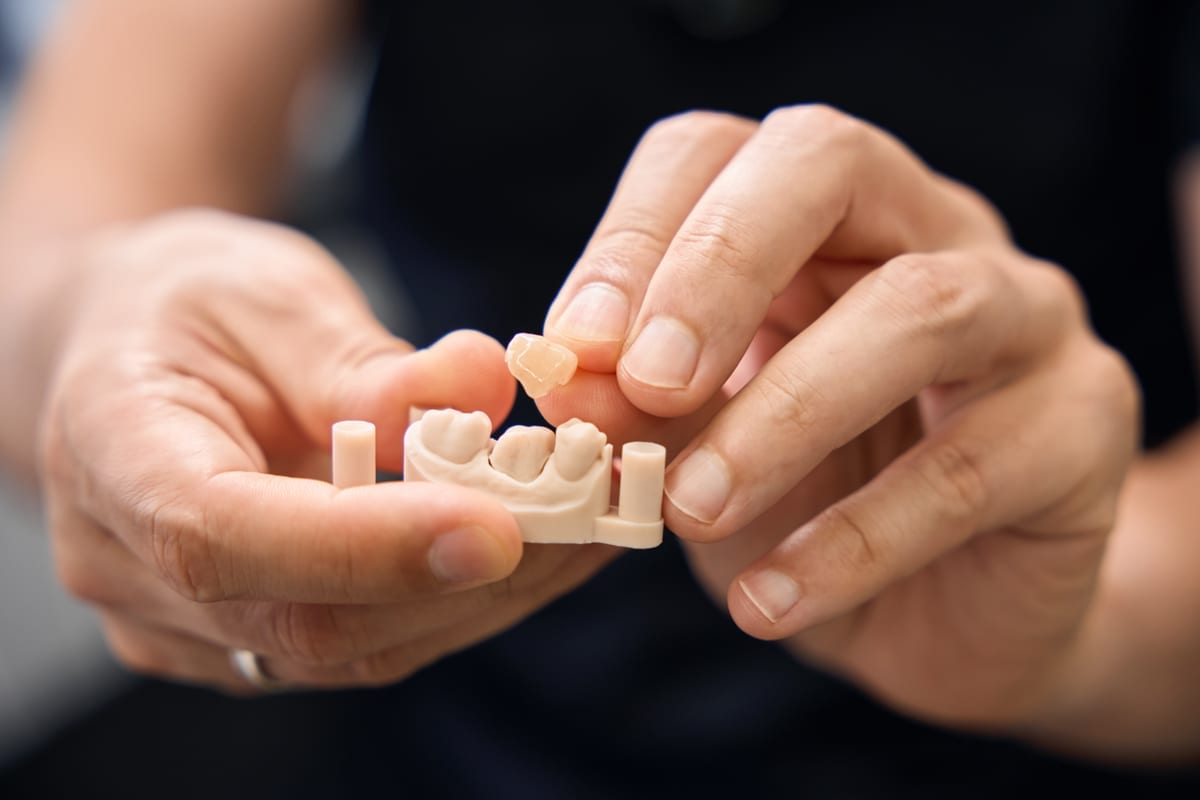
Dental crowns are one of the most reliable restorations in modern dentistry. But even the best crown has a lifespan. If you live in Strathmore and are wondering why your dental crown won’t last forever and how to extend it, you’re asking exactly the right question. Understanding what affects crown longevity can save you time, discomfort, and future dental work.
At Dimension Dental of Holmdel, Dr. Elona Kaso helps patients throughout Strathmore protect their dental investments. This guide covers everything you need to know about crown lifespan, from what shortens it to what keeps it going strong.
How Long Does a Dental Crown Actually Last in Strathmore?
Most dental crowns last between 10 and 15 years. Some patients keep them in great shape for 20 years or more. Others need replacement in as few as five years. The difference almost always comes down to daily habits and proper care.
Crown material plays a role too. Here’s a quick overview of common crown types and their typical lifespans:
- Porcelain-fused-to-metal crowns: 10–15 years on average
- All-ceramic or all-porcelain crowns: 10–15 years with proper care
- Gold or metal alloy crowns: 15–25+ years due to exceptional durability
- Zirconia crowns: 15–20 years and growing in popularity
No crown lasts forever, regardless of material. The way you treat your crown every day determines where in that range you’ll land.
What Shortens the Life of a Dental Crown?
Several habits and conditions can dramatically reduce how long your crown holds up. Many patients in Strathmore are surprised to learn their daily routines are quietly damaging their restorations. Here are the most common culprits:
- Teeth grinding (bruxism): Grinding puts enormous pressure on crowns. It can crack, chip, or loosen them over time.
- Chewing hard foods: Ice, hard candies, popcorn kernels, and crusty bread all stress dental crowns.
- Poor oral hygiene: Bacteria accumulate at the crown margin. This causes decay in the natural tooth underneath.
- Nail biting or chewing on pens: These habits place uneven stress on crown edges.
- Using teeth as tools: Opening packages with your teeth can fracture a crown instantly.
- Skipping dental checkups: Small problems go undetected and worsen without regular exams.
Bruxism deserves special attention. Many people grind at night without realizing it. If you wake up with jaw soreness or headaches, mention it to Dr. Kaso. A custom nightguard can protect your crown significantly.
Signs Your Crown May Need Replacing
Your crown won’t always announce its problems loudly. Sometimes the signs are subtle. Catching issues early prevents more serious damage to the underlying tooth.
Watch for these warning signs that your crown may be failing:
- Sensitivity to hot or cold: This may signal decay beneath the crown or a loose fit.
- Pain when biting: Discomfort under pressure often means the crown is cracked or misaligned.
- Visible cracks or chips: Even small fractures can let bacteria in over time.
- A dark line at the gumline: This often appears on older porcelain-fused-to-metal crowns and may indicate wear.
- Gum recession around the crown: Exposed margins allow decay to sneak underneath.
- A loose or shifting feeling: The crown cement may have weakened or washed away.
If you notice any of these signs, don’t wait. This qualifies as a situation where Emergency Dentistry may be necessary, especially if there is pain or visible damage. Dr. Kaso can assess whether repair or full replacement is the right path forward.
How to Extend the Life of Your Dental Crown
The good news is that crown longevity is largely in your hands. Small, consistent habits make a major difference over the years. Strathmore patients who follow these practices consistently get much more out of their restorations.
Start with solid daily hygiene. Brush twice daily with a soft-bristled toothbrush. Floss gently around the crown each evening to remove buildup at the gumline. Plaque that hardens at the crown margin is one of the leading causes of early crown failure.
Next, be mindful of what you chew. Avoid hard, crunchy, or sticky foods when possible. Caramel, taffy, and hard nuts are especially damaging. They can loosen or crack a crown without warning.
If you grind your teeth, ask about a nightguard at your next visit. A custom-fitted guard distributes pressure evenly and protects your crown while you sleep. It is one of the simplest ways to add years to your restoration’s life.
Finally, keep up with your regular dental checkups. Dr. Kaso examines crowns at every visit. She checks for fit, signs of wear, and early decay. Catching a small issue early costs far less than replacing a failed crown later.
When Crown Care Connects to Your Bigger Smile Goals
Crowns don’t exist in isolation. They’re part of your overall smile health. If you’re considering additional work down the road, it helps to understand how crowns fit into broader treatment options.
Patients exploring Cosmetic Dentistry often pair crown work with bonding, whitening, or veneers for a fully refreshed smile. The longevity of each restoration depends on caring for the whole mouth consistently. A crown that lasts 20 years reflects a patient who treats their entire smile with care.
Dr. Kaso takes a comprehensive approach at Dimension Dental of Holmdel. She considers your full oral health picture before recommending any restoration. That means your crown is planned to work in harmony with your other teeth for the long term.
Conclusion: Your Crown Can Last — With the Right Support
Understanding why your dental crown won’t last forever and how to extend it is the first step to protecting your smile. Avoid grinding, hard foods, and skipped hygiene appointments. Watch for warning signs and act quickly when something feels off. With attentive care and regular checkups, many crowns far outlast their expected lifespan.
The team at Dimension Dental of Holmdel is here to help Strathmore patients keep their restorations strong for years to come. Book Now to schedule your appointment with our team.
Frequently Asked Questions
How long do dental crowns typically last?
Most dental crowns last between 10 and 15 years. With excellent oral hygiene and habits, some crowns remain functional for 20 years or longer. The material and your daily care routine are the biggest factors in longevity.
Can a dental crown be repaired instead of replaced?
In some cases, minor chips or looseness can be addressed without full replacement. However, if the underlying tooth has decay or the crown is severely damaged, replacement is usually the better option. Dr. Kaso will evaluate the crown and recommend the most conservative effective solution.
Does teeth grinding really damage dental crowns?
Yes, bruxism is one of the most damaging habits for dental crowns. The repetitive pressure and friction can crack, chip, or loosen a crown over time. A custom nightguard is a highly effective way to protect your crown if you grind at night.
What foods should I avoid with a dental crown?
Avoid hard foods like ice, hard candies, and raw carrots. Sticky foods like caramel and taffy can also pull at a crown and weaken its bond. Crunchy foods like popcorn kernels pose a particular risk for cracking porcelain crowns.
How do I know if my crown needs to be replaced?
Common signs include tooth sensitivity, pain when biting, visible cracks, a dark line near the gumline, or a loose sensation. If you experience any of these, schedule an appointment promptly so Dr. Kaso can assess whether repair or replacement is needed.