(732) 444-8822


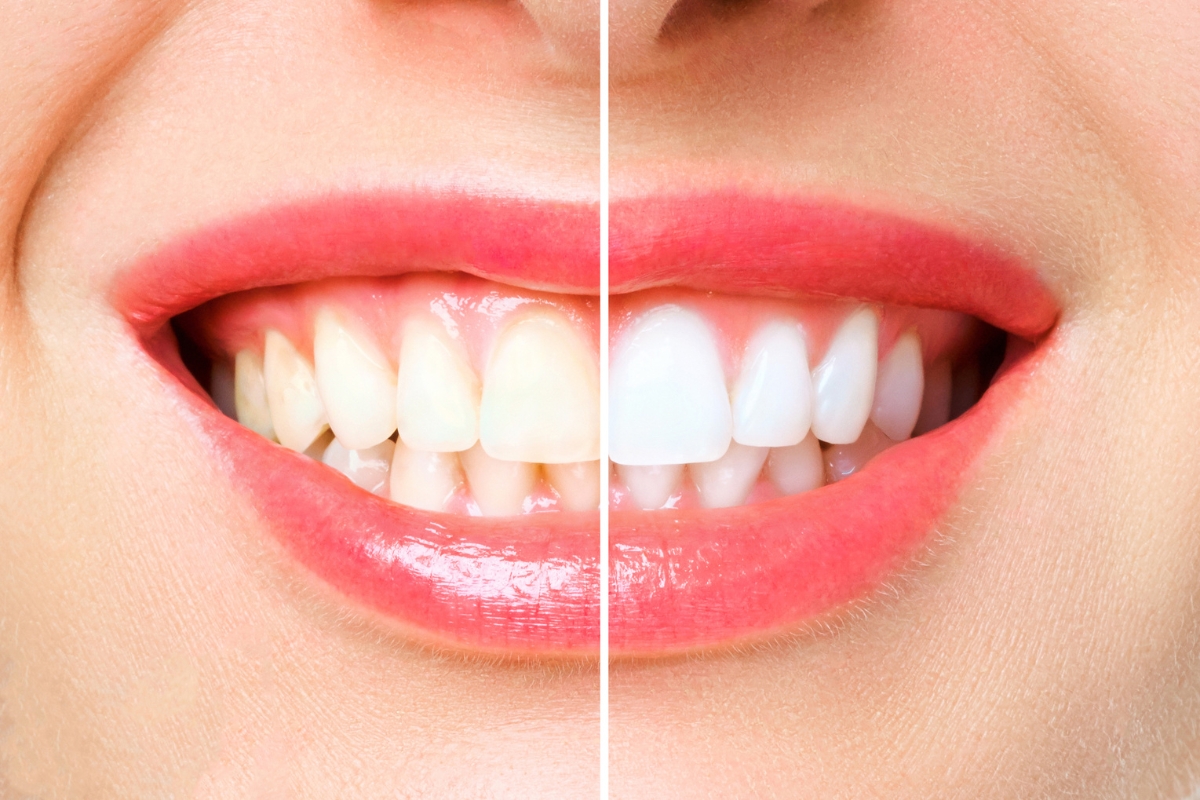
You’ve likely seen countless advertisements for whitening toothpaste, but do you question whether it might be damaging your enamel? In this beauty-conscious community of Holmdel, where everyone wants to look and feel their best, it is no wonder that teeth whitening has risen in popularity.
Whether you’re preparing for a local event and want to look your best or want a brighter smile for your everyday life, the right toothpaste can give you the advantage. But is all whitening toothpaste safe for your teeth?
Today, in our blog, we want to address whether whitening toothpaste can damage enamel and let our Holmdel patients know what they should consider before buying a tube. How to get a better understanding of which to choose, so you can make an informed choice and put your dental health first.
What Is Enamel and Why Is It Important?
Tooth enamel is the hard, outer layer of your teeth, and it plays a vital role in protecting your teeth from decay and damage. Composed of minerals like calcium and phosphate, enamel is the hardest substance in the human body. It acts as a protective shield against the everyday wear and tear caused by eating, drinking, and even brushing.
In Holmdel, where residents take pride in their appearance and health, enamel protection is especially important. The town’s local food scene, including a variety of citrus fruits, coffee, and tomato-based dishes, can contribute to enamel erosion over time due to their acidic nature.
Combined with Holmdel’s water quality, which may contain certain minerals, residents may be more prone to tooth sensitivity and enamel erosion if they aren’t careful. Preserving enamel is crucial, as once it’s gone, it cannot regenerate, leaving your teeth vulnerable to cavities and staining.
How Whitening Toothpaste Works
Whitening toothpaste contains specific ingredients designed to remove stains and discoloration from your teeth. The most common active ingredients are abrasives, hydrogen peroxide, and carbamide peroxide. These ingredients work in different ways to brighten your smile:
- Abrasives: These gentle polishing agents scrub the surface of your teeth to remove food particles and stains. Common abrasives include silica, calcium carbonate, and hydrated alumina. While effective, using too abrasive a toothpaste can wear down enamel over time, making your teeth more susceptible to damage.
- Hydrogen Peroxide and Carbamide Peroxide: These chemicals are used for their bleaching properties. They break down and lift deeper stains below the surface of the enamel, providing a brighter and whiter appearance. However, prolonged use of whitening toothpaste with high concentrations of peroxide can lead to sensitivity and potential enamel thinning.
By targeting both surface stains and deeper discoloration, these toothpaste formulas can help restore a more radiant smile. However, it’s important to note that while they offer instant results, excessive use can lead to enamel erosion, which could worsen the appearance of your teeth over time.
Can Whitening Toothpaste Harm Your Enamel?
Overuse of whitening toothpaste can indeed damage your enamel. The problem primarily arises from the abrasives in the toothpaste. While they do an excellent job at polishing teeth and removing stains, if used too frequently or with too much pressure, they can gradually wear away the protective enamel layer. This leaves the underlying dentin exposed, leading to increased tooth sensitivity and a more yellowish appearance since dentin is naturally yellow. Here comes the role of professional teeth whitening in Holmdel.
From a scientific standpoint, studies have shown that excessive use of whitening toothpaste with high abrasivity can result in significant enamel thinning. According to professionals, using these products more than twice a day or for prolonged periods may lead to long-term damage. In particular, if the toothpaste contains high levels of hydrogen peroxide or carbamide peroxide, the bleaching agents can break down the enamel structure, leading to weakening over time.
For Holmdel residents, local factors also play a role in how whitening toothpaste affects enamel. The local diet, which may include acidic beverages like coffee or citrus-rich foods, can make your enamel more vulnerable to erosion. Additionally, Holmdel’s hard water may contain calcium deposits that can interact with certain whitening toothpaste ingredients, affecting enamel’s durability.
Signs That Your Tooth Enamel Might Be Damaged
Enamel erosion is not always obvious at first, but there are a few key signs Holmdel residents should watch for:
- Sensitive Teeth: If you start experiencing discomfort when consuming hot, cold, or sweet foods, this could be a sign that your enamel is thinning. As enamel erodes, the sensitive nerve endings in your teeth become more exposed.
- Changes in Tooth Appearance: Thinning enamel can cause your teeth to appear more yellow or dull. This happens because the yellowish dentin underneath the enamel becomes more visible as the enamel wears down.
- Local Diet Influence: In Holmdel, where coffee culture thrives, and local restaurants serve acidic foods, these habits can contribute to enamel erosion. If you regularly drink coffee or eat acidic foods without proper dental care, you may notice more noticeable signs of enamel wear.
Being proactive about enamel protection can help you maintain a bright and healthy smile, so it’s essential to recognize these signs early and take action.
How to Protect Your Enamel While Whitening
To maintain your enamel while still enjoying the benefits of a whiter smile, consider the following tips:
- Choose Toothpaste with Mild Abrasives: Opt for whitening toothpaste that is gentle on your enamel. Look for products that have a low abrasivity rating or those that use more natural whitening agents.
- Consult with a Local Dentist: Before using whitening toothpaste regularly, it’s always a good idea to consult with a Holmdel dentist. They can help you offer professional teeth whitening in Holmdel, choose the right whitening products, and ensure they don’t harm your enamel.
- Proper Brushing Techniques: Use a soft-bristled toothbrush and gentle brushing motions. Avoid brushing too hard, as this can exacerbate enamel erosion. Instead, focus on consistent and gentle care.
- Limit Frequency of Whitening: Don’t overdo it. Using whitening toothpaste once a day is generally enough for most people. Consider taking breaks between whitening sessions to protect your enamel.
Whitening toothpaste can be an effective way to brighten your smile, but it’s crucial to use it properly to avoid damaging your enamel. By choosing the right products, practicing good brushing habits, and consulting with a local dentist, you can protect your enamel while achieving the results you want.
If you’re unsure about the best whitening options for your teeth or if you’re concerned about enamel damage, don’t hesitate to reach out to us. We can provide personalized advice and treatment options to help you maintain a healthy, radiant smile. Schedule a consultation with us today!
FAQs
Can whitening toothpaste help with deep stains?
Whitening toothpaste is effective for surface stains but may not be strong enough to address deep stains that require professional whitening.
Can I use whitening toothpaste if I have braces?
Yes, but be cautious, as whitening toothpaste may not evenly whiten your teeth around the brackets. Your dentist may recommend professional whitening afterward.
How does brushing technique impact enamel when whitening?
Brushing too hard can contribute to enamel erosion, so use gentle strokes with a soft-bristled toothbrush to preserve enamel while whitening.
Is it safe to use whitening toothpaste during pregnancy?
It’s generally safe, but it’s advisable to consult with a dentist before using whitening products during pregnancy to avoid any potential risks.
What should I do if I notice my enamel thinning?
Consult with your dentist for advice on protecting your enamel and possibly switching to a gentler whitening product.