(732) 444-8822



Have you ever wondered how dental implants stay in place so securely? Unlike other tooth replacement options, dental implants don’t just sit on top of the gum. They fuse directly with your jawbone, creating a permanent and stable foundation. This powerful process, known as osseointegration, provides implants with unmatched stability.
In this blog, we’ll explore the science behind this remarkable fusion and why dental implants are considered the gold standard for tooth replacement.
What Are Dental Implants?
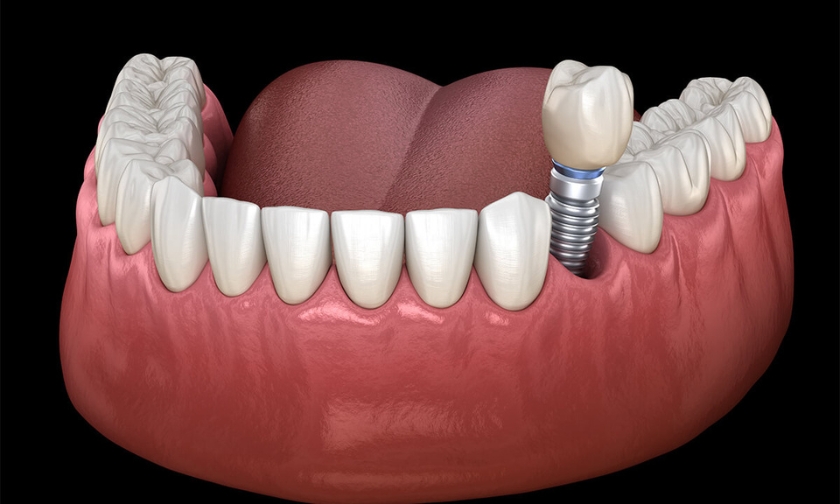
Implants are advanced tooth replacement solutions consisting of three main parts: the implant post, abutment, and crown. The post is surgically placed into the jawbone, acting as a replacement for the tooth root. The abutment connects the post to the crown, which mimics the natural tooth.
Dental implants in Holmdel are considered the most stable and durable option for replacing missing teeth, providing a long-lasting solution that preserves oral health and functionality.
The Process of Osseointegration
Osseointegration is the biological process where the implant post fuses with the jawbone. At the cellular level, bone cells surround the titanium implant, gradually integrating it into the bone structure. This process typically takes between 3 to 6 months.
Successful osseointegration is essential for the stability of the implant. Factors like bone quality, overall health, and lifestyle choices, such as smoking, can impact the rate and success of this crucial process.
Why Osseointegration Makes Dental Implants Stable
The fusion of the implant with the jawbone ensures a permanent and stable foundation for the replacement tooth. Unlike dentures, which may slip or require adhesives, dental implants are securely anchored. This process also prevents bone loss in the jaw, which often occurs when a tooth is lost.
Compared to other tooth replacement options like bridges, which rely on adjacent teeth for support, dental implants in Holmdel offer superior stability and long-term durability.
Role of Jawbone Health in Implant Success
For dental implants to succeed, the jawbone must have sufficient density and volume. Healthy bone tissue is necessary to support the implant securely. In cases where the bone is insufficient, bone grafting procedures can help rebuild the structure, enhancing the implant’s stability.
After implant placement, maintaining bone health is critical for long-term success. Good oral hygiene and regular checkups ensure that the bone continues to support the implant over time, preventing potential complications.
The Benefits of Dental Implant Stability
Dental implants restore full functionality, allowing normal biting, chewing, and speaking without discomfort. The stability of implants prevents movement or irritation that often accompanies dentures.
Additionally, implants preserve the jawbone, preventing bone loss that can lead to facial sagging. This long-term benefit not only improves your smile but also maintains overall oral health. With dental implants, you get a solution that lasts for many years, offering comfort, confidence, and improved oral function.
Is Osseointegration Always Successful?
While osseointegration has a high success rate, complications can occasionally arise. Infection or implant failure may occur if proper aftercare isn’t followed. However, such issues are rare and can usually be addressed with timely intervention.
With proper care and regular checkups, the success rate of dental implants remains extremely high, ensuring that most patients enjoy stable and lasting results. Following your dentist’s instructions is crucial for optimal implant health and longevity.
In conclusion, osseointegration plays a vital role in the stability of dental implants, ensuring they provide a permanent and secure solution for missing teeth. The process of fusion with the jawbone is not only what makes implants stable but also what sets them apart from other options.
Are you ready to explore how dental implants can enhance your smile and oral health? Schedule a consultation today and learn more about this revolutionary procedure.
Frequently Asked Questions
What happens during the dental implant procedure?
During the procedure, the dentist will place the implant post into the jawbone, followed by a healing period for osseointegration. Afterward, the abutment and crown are attached, completing the restoration.
Can smoking affect dental implants?
Yes, smoking can slow healing and reduce the success of osseointegration, increasing the risk of implant failure. It’s advisable to quit smoking before and after implant surgery.
Do dental implants hurt?
Dental implant surgery is generally performed under local anesthesia, so there’s minimal pain. Post-surgery discomfort can be managed with over-the-counter pain medication.
Can I eat normally with dental implants?
Once osseointegration is complete, dental implants function just like natural teeth, allowing normal eating. During healing, soft foods may be recommended to avoid stress on the implant.
What is the recovery time for dental implants?
Recovery typically takes a few days to a week after surgery, with osseointegration taking 3-6 months. Full recovery varies depending on individual health and healing speed.