(732) 444-8822


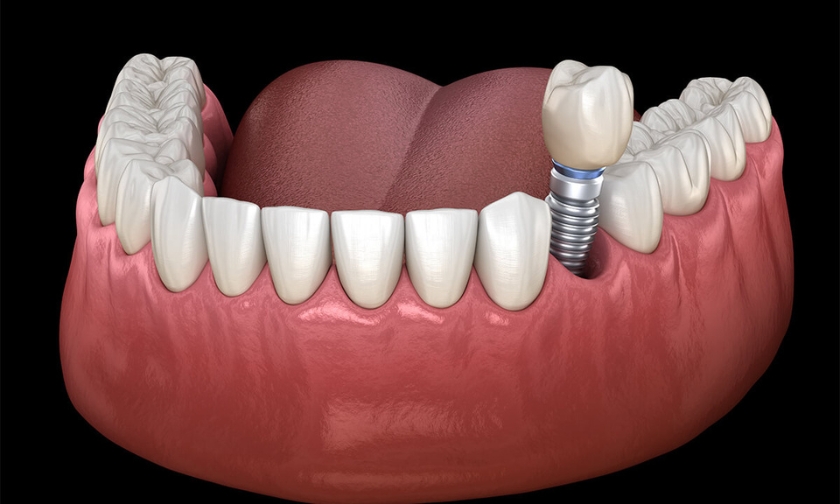
Taking the step to rebuild your smile is a significant accomplishment. If you’re considering dental implants, you’ve selected a solution that mimics your natural tooth structure. It’s one of the most successful procedures in modern restorative dentistry, with a success rate of more than 95%. But what happens before you even walk out of your dentist’s office can be the determining factor that differentiates “having an implant” from “living with an implant.” While your titanium implant won’t develop cavities anytime soon, the tissue surrounding it certainly can.
In this guide, we shall examine the steps to ensure your investment is protected, so your dental implants become a permanent feature of your confident smile.
Why Maintenance Matters: The Science of Integration
Dental implants work through a process called osseointegration, meaning your jawbone will literally grow around the titanium post to hold it in place. Another key difference between dental implants and natural teeth is the periodontal ligament: the “shock absorber” that resists pressure and various strains of bacteria.
Because dental implants in Holmdel, NJ, are fixed directly into the bone, the gum seal around the implant is the only barrier against infection. If bacteria settle into these gaps, it may result in a condition called peri-implantitis. Gum disease of this type may result in bone loss around an implant, eventually leading to its failure. Taking good care of it is your best daily defense against jawbone damage.
The Foundation of Daily Care
The goal of your home routine is to keep the “cuff” of gum tissue around the implant pink, firm, and free of inflammation.
- Brushing with a Soft-Bristled Brush: Brush your implants with a soft-bristled toothbrush twice a day to avoid damaging the gum tissue around the implant. Avoid hard bristles, which can irritate the gums.
- Use Low-Abrasive Toothpaste: Use a toothpaste with low abrasiveness, as stronger abrasives may scratch the surface of your implant crown, especially if it’s made of porcelain.
- Inter-Dental Cleaning: Traditional floss may be difficult to maneuver around implants, so consider using a water flosser or special brushes designed for cleaning between implants and natural teeth.
Lifestyle Factors Affecting the Success of Implant Procedures
Your habits of daily living affect your body’s ability to support strong bone density and healthy gum tissue. Even an ideally placed implant may have difficulty if it is faced with a poor supporting environment.
The Impact of Smoking
Regarding dental implants, smoking is the primary cause of preventable failure. Since nicotine reduces the size of blood vessels in your gum tissues, it makes it even more challenging for your body to combat any infection when you smoke. When searching for dental implants in Holmdel, NJ, it is highly advised that you opt for a cessation program, as it helps maintain a healthy environment for your implant.
Dietetic Concerns
Even things that can’t be eaten without implants can be enjoyed while keeping in mind “mechanical stress.
- Avoid Ice Chewing: The pressure can cause the ceramic crown to chip.
- Limit Sticky Sweets: Though this implant doesn’t decay, sugar feeds bacteria that can lead to gum disease.
- Calcium-Rich Food Sources: Add spinach, milk, or fortified plant-based milk to incorporate calcium for the jaw support required to anchor your dental implant.
The Role of Professional Monitoring
Your implant may be functioning well since you’re not in pain. But implants have no nerves; as with regular teeth, you won’t be able to feel a “cavity” or the onset of infection.
During a cleaning at the dentist’s office, your hygienist will use plastic or resin scaler tips on your teeth. Metal scaler tips, used on natural teeth, will scratch the surface of the implant. These appointments will permit:
- X-ray Monitoring: Checking that the bone levels around the post remain stable.
- Occlusion Checks: Making sure that your bite is evenly distributed so that any implant isn’t putting excessive pressure.
- Deep Cleaning: Removing “calculus” (hardened plaque) from areas unreachable by a toothbrush.
Recognizing the Red Flags
To save a failing implant, timely intervention is essential. You should book an examination immediately, provided you comply with all the following.
- Lingering Redness: Gums that stay red or purple around the implant site.
- Bleeding: Blood during brushing or flossing is a sign of inflammation.
- Sensitivity or Throbbing: While rare, any discomfort should be investigated.
You should never let an implant move. The crown might be loose, or the bone might have been damaged if it feels wrinkly.
Securing Your Smile for the Long Haul
The beauty of dental implants in Holmdel, NJ, is that you forget you ever lost a tooth. It’ll get you back to eating, talking, and smiling without hesitation. You can expect your implant to last a decade if you treat it with the same, or even slightly more, respect than you give your natural tooth. It’ll be a partnership between you and your dentist, with their expert advice on everyday oral care habits.
If you’re ready to take the next step on your renewal journey, Dimension Dental’s crew is here to provide you with the expertise and personalized attention you’ve earned. We’re focusing on long-term consequences, ensuring that everyone who remains educated and empowered to maintain oral health.
We Are Ready to Support Your Journey
Are you considering a renewal of your implant, or do you need a checkup on your existing implant? Our team is available to assist you in acquiring a robust, functioning implant that can withstand the test of time.
Contact Dimension Dental Care today to schedule your consultation and keep your smile at its best.
FAQs
How long do dental implants last?
Titanium posts can last a long time if handled correctly. The crown may need to be replaced every 10–15 years of wear and tear.
Can dental implants get cavities?
No, implants cannot decay, but the gums and bone around them can become infected, so brushing is still necessary.
Is the implant procedure painful?
Compared to tooth extraction, patients find it less painful. Local anesthesia is used, and postoperative anxiety can be managed together with nonprescription painkillers.
Can I get an implant if I have bone loss?
Yes, to reinforce the lower jaw before implantation, a bone graft may be performed.
How do I clean under a dental implant bridge?
Use a water flosser or ‘ace floss’ to clean between the teeth and gums.
How soon can I eat normally after surgery?
Once the implant and crown are fully integrated, you may return to your regular diet after 3–6 calendar months of healing.