(732) 444-8822


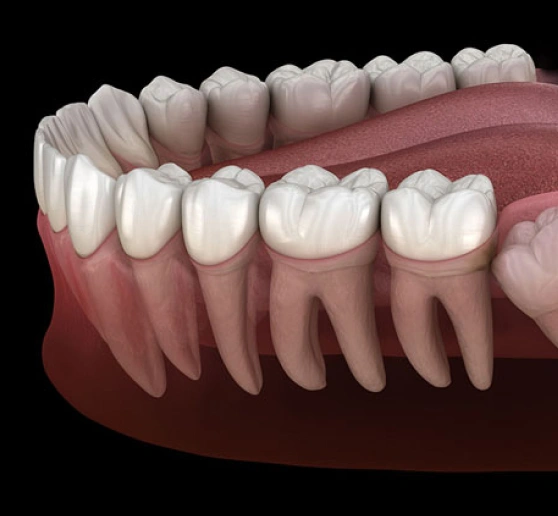
Wisdom teeth extraction is one of the most common procedures in dentistry; however, the recovery phase may involve considerable pain. Regardless of whether you are experiencing pain, swelling, or can’t eat the foods you like, taking the proper recovery steps is important for getting back on your feet as quickly as possible. The right post-operative care is what reduces recovery time and ensures the healing process goes as smoothly as possible.
After the surgical removal of your wisdom teeth, certain measures must be taken to ease pain and aid the healing process. There are several basic steps you can take to reduce swelling and minimize pain, allowing you to return to your daily routine in no time.
Follow Your Dentist’s Instructions Closely
The absolute first step when recovering from surgery is to follow your dentist’s post-operative care instructions with precise attention. Wisdom teeth removal is not a uniform operation, and each operation varies slightly. Your dentist’s instructions will include specific things you need to do during the recovery process, such as how to take the pain medication, what to eat, and what to avoid.
If you have had a wisdom teeth extraction in Holmdel at Dimension Dental, you would already have received clear instructions on recovery care. If anything comes up during the recovery phase that you are unsure about regarding the operation, contact your dentist in Holmdel and let them know.
What to Expect After Wisdom Teeth Removal
It is completely normal to have pain, swelling, and some bleeding following the procedure. The pain may differ, but these symptoms are completely normal and a sign that your body is beginning its healing process. Listed below are steps to promote healing:
- Rest is Vital: Make sure you avoid overworking yourself and get adequate rest for at least a few days, with specific emphasis on the first 48 hours when healing occurs most readily.
- Swelling: This symptom is normal and typically peaks at about 48 hours post-surgery. Try icing your cheeks for the first 24 hours to reduce swelling. After the 48-hour mark, try applying a warm compress to your face to ease discomfort and encourage blood flow.
- Pain Control: Your dentist may prescribe medication for this symptom, or you can simply take an over-the-counter pain reliever, as directed by your dentist. The pain should decrease significantly in a matter of days.
- Soft Foods are Essential: During the first few days, it is best to eat only soft, cool foods. Potatoes, yogurt, smoothies, and soup are good choices during this time to avoid irritating your gums. Remember to avoid hard or spicy foods until healed.
Hydration and Oral Care
Drinking plenty of fluids is important; it is essential not to use straws during the initial few days after surgery. Suctioning with a straw may disturb the blood clot that forms at the extraction site, potentially causing a painful dry socket.
Oral care is essential for keeping the mouth clean and free of bacteria; however, it should not be overly vigorous. Rinsing the mouth with a saline solution can help keep the extraction site clean and healthy. Your dentist will probably advise you not to brush the extraction site for the first few days to prevent irritation.
Take Adequate Rest
Getting rest during the recovery process is crucial. Avoid any vigorous exercise for at least a few days so that your body can recuperate from the surgery. Reducing physical activity will help decrease the risk of complications and speed up recovery.
It is essential to allow your body time to recover. Resting will help achieve this, so take advantage of this if you usually lead a busy life and get some time to look after yourself and help your body heal.
Recognizing Complications: Stay Alert for Warning Signs
Although the wisdom tooth removal was uneventful, it’s important to recognize when complications arise. By looking out for specific signs, you can help prevent things from getting any worse and speed up your healing time. Some of the most common warning symptoms include:
- Heavy Bleeding: The bleeding should stop a few hours after the surgery is completed. If you notice it has resumed or has increased significantly, contact your dentist to avoid complications and manage it.
- Extreme Pain: Some pain is expected; however, extreme pain that isn’t relieved by medication could signal something more significant, such as an infection or a dry socket. Seek professional advice in such a case.
- Signs of Infection: The main signs of infection are fever, pus, or an unpleasant taste in the mouth, contact you dentist for treatment and examination.
- Swelling That Is Not Decreasing: Swelling is expected postoperatively, but it should begin to decrease in size after two to three days. If this isn’t happening and swelling is increasing, then contact your Holmdel dentist to examine your mouth.
- Trouble Breathing Or Swallowing: If at any stage you face trouble with either breathing or swallowing, a medical emergency may have arisen, such as a developing abscess, and you will require an ambulance to transport you to the nearest hospital.
Your Path to a Quick and Comfortable Healing
At Dimension Dental, our goal is to ensure your comfortable and efficient recovery from wisdom teeth removal, and we are here to help. Relax, stay hydrated, and follow our instructions, and you will recover very quickly and without any pain. After you have recovered, you will be able to resume your normal day-to-day life comfortably.
By carefully following the aftercare advice, managing symptoms, and keeping in touch with our team, you will recover quickly and with as little discomfort as possible. If you are unsure or concerned at any point during your recovery, do not hesitate to call us at Dimension Dental to schedule a consultation.
Questions People Ask About Wisdom Teeth Extraction
- How long does it take to recover from wisdom teeth removal?
Recovery time can vary, but most people fully recover within 1 to 2 weeks. Swelling and pain typically subside within the first few days, but it may take longer for the gums to completely heal. - Can I brush my teeth after wisdom teeth removal?
You should avoid brushing near the extraction site for a few days to prevent wound irritation. However, you can gently brush your other teeth and rinse your mouth with salt water to help clean it. - How can I reduce swelling after wisdom teeth removal?
Applying an ice pack to the affected area during the first 24 hours can reduce swelling. After 48 hours, switch to warm compresses to help soothe the area and promote healing. - What foods should I avoid after wisdom teeth extraction?
Avoid hard, crunchy, and spicy foods that can irritate your gums. Stick to soft foods like yogurt, mashed potatoes, and smoothies, especially during the first few days of recovery. - Can I use a straw after wisdom teeth removal?
It’s best to avoid using a straw for the first few days after surgery. The suction can dislodge the blood clot, causing a painful condition called dry socket. - When should I contact my dentist after wisdom teeth removal?
If you experience severe pain, excessive bleeding, or signs of infection, such as fever, contact your dentist immediately for advice and care. Early intervention is key to a smooth recovery.