(732) 444-8822



Missing teeth can impact everything from your smile to your self-esteem and lifestyle. For many, the most popular solution has always been traditional dentures, but those are being replaced with a more permanent option: implant-supported dentures. These are retained to YOUR dental implants, providing a more stable, comfortable fit than removable dentures.
However, for those completely new to implant-supported dentures, the process can feel daunting. But it’s vital to understand how this solution works and what to expect along the way. In this blog, we will walk through the fundamentals of implant-supported dentures, from the procedure to their advantages, and guide you in deciding whether this is an option for you.
What Are Implant-Supported Dentures?
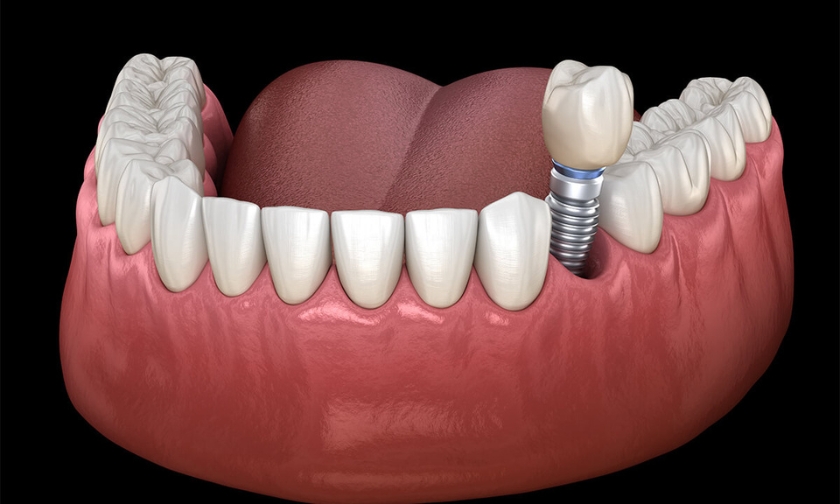
Implant-supported dentures are denture prostheses anchored to dental implants, titanium posts installed into a patient’s jawbone. This system provides a more dependable and comfortable fit than traditional dentures, which can slip or shift. These implants serve as anchors for dentures, providing greater stability and keeping denture plates in place. Also referred to as full or partial dentures, this type of denture mimics the natural aesthetic and function of teeth by replacing a full arch or just a few missing individual teeth.
What are the advantages of these dentures? They not only make it possible for you to smile and chew properly again, but they are also good for your jawbones. That’s because implants stimulate bone like natural tooth roots, preventing jawbone loss that can happen when teeth are missing.
The Procedure: What to Expect
Although an effort worth making, implant-supported dentures in Holmdel can be a multi-step process that may take several months. Below is a preview of what to expect:
- Step 1: Visit an Implant Dentist: At this appointment, the dentist will assess your dental health and perform X-rays to gauge how well your jawbone is shaped. This is important for ascertaining whether you’re a good candidate for implants. If the bone in your jaw has deteriorated due to tooth loss, you may need a bone graft placed before the implants can go in.
- Step 2: Dental Implant Placement: When your jaw is ready, the dentist will insert the titanium implants into your jawbone. This is usually performed under local anesthesia, so you will not feel pain during the process. Once the implants have been placed, they require time to bond to the bone, a process called osseointegration. This process can take several months, but it ensures that the implants are firmly anchored.
- Step 3: Abutment Attachment: After the implants have bonded with the bone, small connector pieces are attached to the implants, known as abutments. You will now have abutments which will act as anchors for your dentures.
- Step 4: Fitting the Dentures: After abutments are placed, custom dentures are carved to fit over them. The dentist will make sure that the dentures are comfortable and look good. Once your dentures are in place, you’ll be able to smile with full confidence, knowing that they’re secure and look good.
Benefits of Implant-Supported Dentures
For those who have struggled with traditional dentures, implant-supported dentures offer many benefits. Here are some key benefits:
- Enhanced Stability: Regular dentures may slip around or irritate gums, particularly when speaking and eating. Moreover, patients can be assured that these dentures remain stable while eating, talking, and laughing.
- Greater Comfort: Because the implants are securely anchored to the jawbone, they interact with your surroundings in such a way that makes them feel more natural and comfortable than traditional dentures. They eliminate the need for adhesives or pastes to hold it in place.
- Improved Functionality: These dentures allow you to enjoy a wider variety of foods. This greatly improves chewing and speaking, and they provide a natural biting force.
- Jawbone Health Preservation: Implants stimulate the jawbone and help prevent bone loss due to missing teeth. This keeps facial structure intact and prevents the sunken look common among people who get traditional dentures.
- Long-Lasting: When properly maintained, these dentures can remain in good condition for many years, longer than traditional dentures, which typically need to be replaced much sooner.
Maintaining Implant-Supported Dentures
Implant-supported dentures are quite easy to maintain. For the successful lifetime of both implants and dentures, oral hygiene is very important. Here’s how to care for your new smile:
- Consistent Cleaning: Maintain dental hygiene with dentures by brushing them as you would natural teeth, using a soft-bristled brush and a gentle toothpaste. Remember to clean the implants and abutments as well.
- For Flossing: When it comes to flossing, cleaning around the implants is crucial, as plaque and food can get trapped. You may need some specialized floss or interdental brushes to get between the implants and dentures.
- Regular Visits: Visit your dentist regularly to check the status of your implants and the fit of your denture.
Are Implant-Supported Dentures the Right Option For You?
Determining whether this treatment is right for you will vary by several factors. The following are a few important factors to guide your decision on whether these dentures are the right choice for you:
- Good Oral and Bone Health: You require enough healthy bone structure to support dental implants. If substantial bone loss is present, a bone graft may be needed for the implants to be placed.
- Willingness for Multiple Appointments: The steps usually involve the placement (and sometimes healing) of an implant, etc. If you’re ready for a longer treatment process, this option can be the best.
- Desire for Stability and Comfort: Traditional dentures rely only on the teeth’s structure and the soft tissues of the mouth to stay in place, leading to discomfort or slipping.
- Long-Term Investment: These can handle more heavy-duty wear-and-tear due to their durability and longevity, but they also come with a higher upfront price. Think about whether you’re prepared for something long-term.
- Healthy Lifestyle Choices: The success of your dentures also significantly depends on good oral hygiene and a healthy lifestyle. Just be very willing to perform regular maintenance for the best results.
Ready for Your New Smile?
If you’re looking into implant-supported dentures, congratulations: you’ve taken a major step towards getting your smile and self-esteem back. It might be a lengthy process, but the outcome is very rewarding. We here at Dimension Dental feel that each patient is unique, and our goal is to ensure the best possible outcome for you. We are committed to answering any questions you may have.
Avoid the hassle of replacing or adjusting slip dentures and the issue of food particles getting stuck under your appliances. All-on-4 gives you a new set of teeth that will last for years. If you’re interested in learning more about implant-supported dentures, contact us today to set up your consultation. Our team at Dimension Dental is ready to walk you through the process from start to finish.
Questions People Ask About Implant-Supported Dentures
- How long does the implant process take?
The implant process typically spans 6-8 months. This includes time for the implants to fuse with the jawbone, followed by placement of the dentures. Recovery varies, but regular checkups will ensure everything is progressing smoothly. - Are implant-supported dentures painful?
Most patients feel minimal discomfort during the procedure, especially with local anesthesia. After the surgery, swelling and soreness are common but manageable with prescribed medications, ensuring a smooth recovery process. - How long do implant-supported dentures last?
With proper care, implant-supported dentures can last 10-15 years or more. Regular dental visits and good oral hygiene are essential to maintain their durability and function, ensuring a long-lasting solution. - Can I eat normally with implant-supported dentures?
Yes! Implant-supported dentures allow you to eat most foods comfortably. They offer stability similar to natural teeth, but it’s best to avoid extremely hard or sticky foods to maintain denture integrity. - Is the procedure covered by insurance?
Insurance coverage varies by plan. Many policies partially cover implant-supported dentures, though coverage for the entire procedure may not be included. Check with your provider and discuss options with your dentist to understand your benefits. - How do I care for implant-supported dentures?
Brush your dentures regularly with a soft brush and non-abrasive toothpaste. Floss around implants and attend routine dental checkups. Proper care helps maintain their longevity and ensures your smile stays healthy and functional.