(732) 444-8822



Considering dental implants to replace missing teeth? It’s a life-changing decision, but not everyone is a candidate. Several factors influence whether you’re a good fit for dental implants. While implants provide a durable, natural-looking solution, your eligibility depends on various personal health conditions.
Understanding these factors can help you prepare for a consultation and ensure the procedure’s success. This blog explores the key considerations dentists use when evaluating if dental implants are right for you.
What Are Dental Implants?
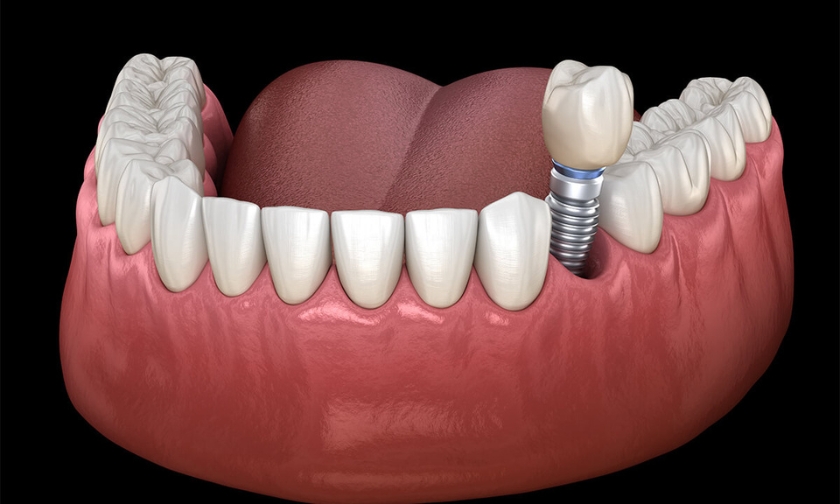
Dental implants are artificial tooth roots placed into the jawbone to replace missing teeth. These implants offer a permanent solution that looks and functions like natural teeth. Unlike dentures or bridges, dental implants are secure and do not slip.
The main components are the titanium post, abutment, and crown, all of which work together to restore your smile and function. Benefits include longevity, improved oral health, and enhanced confidence, making them a preferred choice for many patients.
Key Factors Dentists Consider for Candidacy
Several factors influence whether you’re a good candidate for dental implants in Holmdel:
- Overall Health: Healthy patients are better suited for the procedure. Chronic conditions like diabetes must be managed properly to avoid complications during recovery.
- Gum Health: Healthy gums are essential for implant success. Gum disease must be treated before moving forward with implants.
- Bone Density and Volume: Implants require sufficient jawbone to anchor securely. If your bone volume is low, bone grafting may be necessary.
- Age: Age can impact implant success rates, with the best outcomes often seen in adults with fully developed bones.
- Lifestyle Choices: Smoking, alcohol, and poor oral hygiene can hinder the healing process and compromise implant stability.
- Medical History: Certain medical conditions, like heart disease or cancer, may require additional precautions before surgery.
- Expectations and Goals: Clear, realistic expectations about the aesthetic and functional outcomes can affect your candidacy and satisfaction with the procedure.
Common Reasons for Rejection or Additional Treatment
- Insufficient Bone Structure: If there isn’t enough jawbone, procedures like bone grafting can help regenerate bone before implants can be placed.
- Active Gum Disease: Gum disease must be treated and healed before placing implants, as it can interfere with the healing process.
- Other Health Concerns: Conditions like uncontrolled diabetes or medications that affect bone health might require special consideration or pre-surgical treatments.
Consultation and Assessment Process
Your dentist will conduct a thorough consultation to determine if dental implants are right for you. Expect a physical exam, X-rays, and an assessment of your medical history. The dentist will evaluate your oral health, including the condition of your gums, jawbone, and overall health.
After the assessment, a personalized treatment plan will be created based on your unique needs and goals. This helps ensure the success of your dental implants.
Dental implants are an excellent solution for replacing missing teeth, but several factors determine if you’re a candidate. Healthy gums, sufficient bone structure, and overall good health are key components for success.
Are you ready to find out if you’re a good fit for dental implants? Contact our office today to schedule your consultation and take the first step toward restoring your smile!
FAQs
Can I get dental implants if I grind my teeth?
Teeth grinding (bruxism) can put stress on dental implants, increasing the risk of damage. Your dentist may recommend wearing a nightguard to protect your implants from grinding-related issues.
Can I still get implants if I have diabetes?
People with well-managed diabetes can often receive dental implants. However, uncontrolled diabetes can affect healing and increase the risk of infection, so it’s essential to consult with your dentist beforehand.
How should I care for dental implants?
Caring for dental implants involves regular brushing, flossing, and routine dental checkups. It’s also important to avoid habits like smoking or teeth grinding, which can affect implant longevity.
Can dental implants be removed?
Dental implants can be removed if necessary, although it’s not a common practice. Removal is typically done only in cases of failure or infection, after which the area can be treated.
Are dental implants better than dentures?
Yes, dental implants are a better long-term solution than dentures. They are more durable, functional, and comfortable, providing a permanent, natural-looking alternative without the risk of slippage.