(732) 444 - 8822


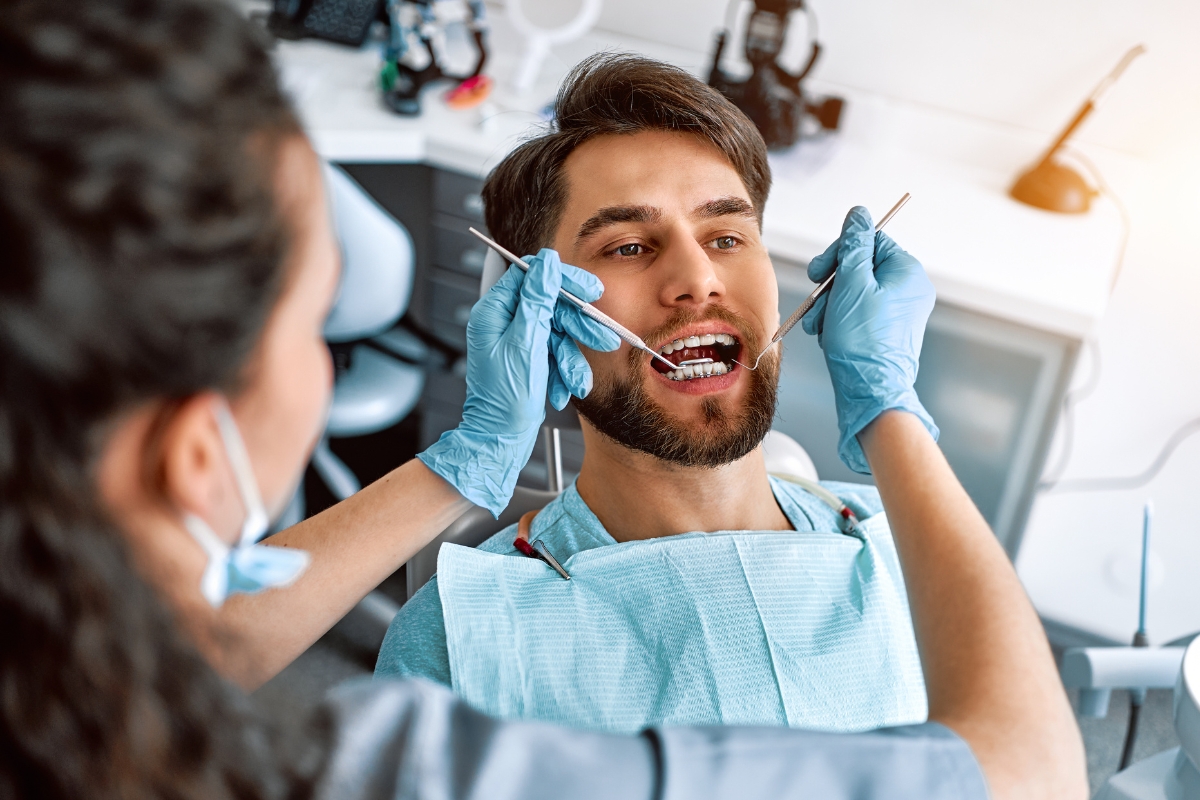
Tooth pain that appears only when you bite down can feel sharp, sudden, and hard to ignore. Many people brush it off at first, hoping it will fade. But when that pain keeps showing up, especially during meals or snacks, it may signal something more serious than simple sensitivity. One common cause of this type of pain is cracked tooth syndrome, a condition that often goes unnoticed until the symptoms become hard to ignore.
This blog explains what cracked tooth syndrome is, why it causes bite pain, and how emergency dentistry in Holmdel helps treat this problem. You’ll learn what signs to watch for and when it’s time to seek care.
What Is Cracked Tooth Syndrome?
Cracked tooth syndrome happens when a tooth has a small, hidden crack that may be too tiny to see but deep enough to cause pain. The crack can appear on any tooth, but it often affects molars, since they handle the bulk of chewing. The pain comes from pressure on the cracked area, which can irritate the inner part of the tooth.
Many cracks form because of everyday habits, like chewing on hard foods, grinding teeth, or sudden impact from an accident. Even a simple bite on something harder than expected, like a popcorn kernel or nut shell, can trigger a crack.
Why Biting Makes the Pain Worse
When a tooth has a crack, biting down can cause the two sides of the crack to shift slightly. This movement irritates the inner nerve, causing sharp or sudden pain. If the pressure is released, the pain often fades quickly, which is why many people ignore the early signs.
The pain might come and go, depending on the angle and force of your bite. Hot or cold foods can also cause discomfort, especially if the crack has reached the deeper layers of the tooth. Ignoring these signs often leads to bigger problems, which is why early treatment is so important.
How Emergency Dentistry Helps with Cracked Tooth Syndrome
Emergency dentistry in Holmdel provides timely care for cracked teeth, especially when the pain becomes hard to manage. Cracked teeth need quick attention because the crack can deepen or spread, increasing the chance of infection or tooth loss.
Here is how emergency dentists approach cracked tooth pain:
1. Identifying the Crack
Cracks are not always visible. A dentist may use special tools, X-rays, or a bite test to locate the problem. The goal is to find the exact spot causing discomfort.
2. Reducing Pain and Protecting the Tooth
If the crack is small, the dentist may place a bonding material to stabilize the tooth. This helps reduce movement during chewing, which eases pain.
3. Restoring Strength
For deeper cracks, a crown may be recommended. A crown covers the tooth, giving it strength and keeping the crack from spreading.
4. Treating Nerve Involvement
If the crack reaches the inner nerve, a root canal might be needed to remove the damaged tissue and prevent infection.
5. Removing Severe Damage
If the tooth cannot be restored, extraction may be the safest option. In such cases, the dentist will provide guidance on replacement options.
Common Signs of Cracked Tooth Syndrome
Recognizing the symptoms early can make a big difference. Look out for:
- Sharp pain when biting or chewing
- Pain that comes and goes
- Sensitivity to hot or cold
- Discomfort when releasing a bite
- Feeling like something is “off” when chewing
If these signs sound familiar, it’s time to schedule an emergency visit. Early care protects your tooth and prevents larger issues.
How to Prevent Future Cracks
While not all cracks can be avoided, simple habits help lower the risk:
- Avoid chewing on ice or hard candies
- Wear a mouthguard during sports
- Ask your dentist about a nightguard if you grind your teeth
- Chew food slowly and carefully
- Keep up with routine check-ups to catch early signs
These steps protect your teeth and reduce the chance of another painful episode.
Get Relief and Protect Your Smile
Tooth pain while biting should never be ignored. Getting help early prevents small cracks from turning into major problems. If you’re dealing with sharp bite pain or think you may have a cracked tooth, the team at Dimension Dental is here to help.
Let Us Help You Feel Better
At Dimension Dental, we welcome you with care, comfort, and prompt emergency support. Reach out today to schedule a visit and get the relief you need. Your comfort and oral health matter, and we are here to guide you every step of the way.
FAQs
1. Why does my tooth hurt only when I bite down?
This often happens when a tooth has a crack. Pressure on the crack irritates the inner layers, causing pain.
2. Can a cracked tooth heal on its own?
No, a cracked tooth cannot heal by itself. Professional care is needed to stop the crack from worsening.
3. Do all cracks show up on X-rays?
Not always. Some cracks are too small or positioned in a way that makes them hard to see, which is why dentists use a combination of tests.
4. Is cracked tooth syndrome an emergency?
Yes, especially if you have pain when chewing. Immediate care helps prevent more serious damage.
5. What happens if I ignore bite pain?
The crack can deepen, leading to infection, nerve damage, or tooth loss.
6. Can grinding teeth cause cracks?
Yes, clenching and grinding put strong pressure on teeth and can cause cracks over time.