(732) 444 - 8822


Dental implants are a popular solution for replacing missing teeth, offering a long-lasting and natural-looking alternative. However, like any medical procedure, they come with potential risks. While dental implants have a high success rate, complications can still arise. Being aware of the warning signs of implant complications is crucial for anyone considering this treatment or already undergoing the process. In this blog, we will walk you through the signs you should be mindful of and what to do if you notice them.
Understanding Dental Implants
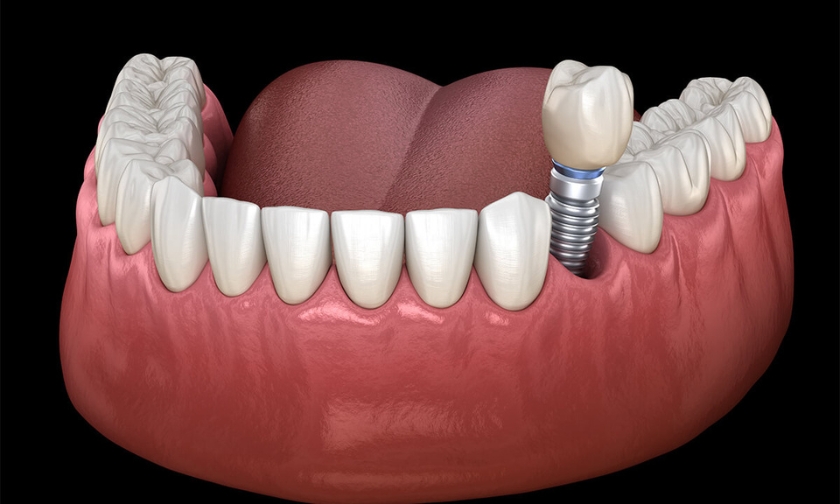
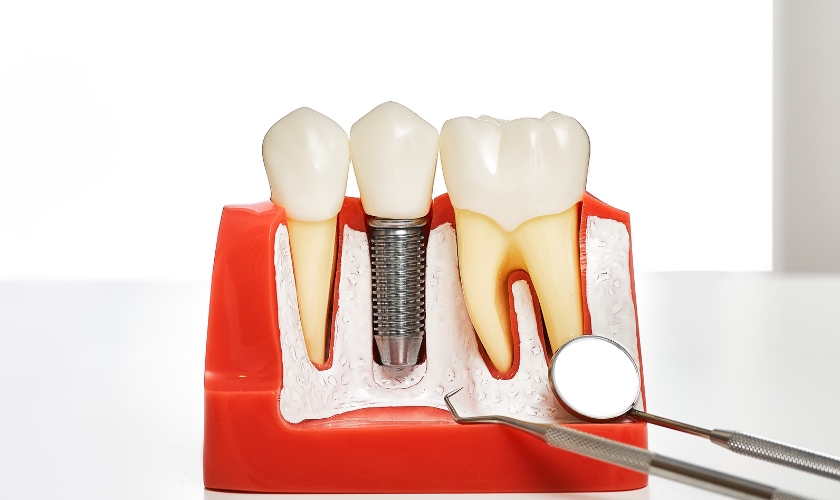
Dental implants are titanium posts surgically placed into your jawbone to replace missing teeth. Once the implant integrates with the bone, a crown, bridge, or denture is placed on top, restoring both function and appearance. Implants are a permanent solution and offer a high success rate, especially when the procedure is done by a trained professional.
While dental implants are designed to be durable, it’s essential to monitor the healing process and be aware of any changes that might indicate a complication.
Warning Signs of Dental Implant Complications
Most complications related to dental implants can be avoided with careful attention and early intervention. Here are some common signs of dental implant complications to keep an eye out for:
1. Persistent Pain or Discomfort
After the implant procedure, some discomfort or mild pain is normal. However, persistent or increasing pain after the first few days can be a sign of complications. This could indicate an infection, implant failure, or a problem with bone integration.
2. Swelling and Bleeding Beyond the First Week
Swelling and bleeding are common right after the implant surgery, but these should subside within a few days. If swelling continues or worsens after a week, or if bleeding persists, it could be a sign of infection or an issue with the implant.
3. Implant Mobility
Once your implant has fully integrated with your jawbone, it should feel secure. If you notice that your implant feels loose or if it moves when pressure is applied, this may indicate implant failure. Implant mobility often results from bone loss or improper healing.
4. Gum Recession Around the Implant
Healthy gums are essential for the long-term success of your implant. If you notice that your gums are receding or shrinking around the implant site, it could signal an infection or other issues affecting the implant’s stability.
5. Changes in Bite or Alignment
If your bite feels uneven or your teeth don’t align correctly after the implant is placed, it could be a sign of complications. The implant may not be positioned correctly, or the surrounding teeth may be shifting. This misalignment could cause discomfort and additional dental problems down the line.
6. Signs of Infection: Pus or Discoloration
Infection around the implant site can present itself as pus drainage, redness, or discoloration of the gums. This is a serious warning sign that should be addressed immediately to prevent further complications, such as implant rejection.
What to Do If You Experience Complications
If you experience any of the warning signs mentioned above, it’s essential to contact your dentist immediately. They will assess the issue and determine whether additional treatment is necessary. In many cases, early intervention can prevent more severe problems and preserve the success of your dental implant.
In some cases, you may need additional procedures, such as bone or gum grafting, or even implant removal if the complications cannot be resolved. However, don’t be discouraged—most complications can be effectively managed with the right care.
Prevention is Key
The best way to avoid complications is to follow your dentist’s post-operative care instructions carefully. This includes maintaining good oral hygiene, avoiding hard or chewy foods during the healing process, and attending follow-up appointments as scheduled. Additionally, if you smoke, consider quitting or reducing your smoking habits, as smoking can significantly increase the risk of implant failure.
If you’re considering dental implants in Holmdel, be sure to choose a trusted, experienced professional who can guide you through the process and help you avoid potential issues.
Dental implants offer a fantastic solution for replacing missing teeth, but like any procedure, they require proper care and attention. Being aware of the warning signs of implant complications can help ensure the long-term success of your treatment. If you notice any unusual symptoms, don’t hesitate to reach out to your dentist. Early detection and intervention can make all the difference in preventing more serious issues.
If you’re experiencing any of the symptoms mentioned or have concerns about your dental implant, contact Dimension Dental today. Our team is here to ensure your smile remains healthy and vibrant.
FAQs:
1. Can a dental implant fail after it has healed?
Yes, while dental implants are durable, factors like infection, excessive pressure, or bone loss can lead to implant failure even after healing.
2. How long does it take for a dental implant to heal?
Healing time can vary, but it generally takes 3 to 6 months for the implant to integrate fully with the jawbone.
3. What is the success rate of dental implants?
The success rate for dental implants is generally very high, ranging from 95-98% depending on factors like the patient’s overall health and oral hygiene.
4. Can I get a dental implant if I have gum disease?
It’s crucial to address any gum disease before proceeding with dental implants. Untreated gum disease can lead to implant failure, so your dentist may recommend treatment before placing the implant.
5. Are there any foods I should avoid after getting a dental implant?
After receiving an implant, it’s best to avoid hard, crunchy, or chewy foods that could stress the implant during the healing phase.