(732) 444-8822


A missing tooth has a way of fading into the background at first. You adjust how you chew. You avoid smiling a certain way. Life stays busy, and replacing that tooth keeps slipping down the list. For many people, postponing treatment feels harmless—especially when there’s no pain involved.
But beneath the surface, your mouth does not pause. Teeth, bone, and gums react to change quickly, even when the effects are not evident in the mirror. What starts as a cosmetic concern often becomes a functional one, and then a health issue that affects far more than a single space in your smile.
For people juggling work commutes, family schedules, and weekend plans, it helps to understand what truly happens when tooth replacement is delayed. Knowing the long-term impact allows you to make a decision based on facts rather than assumptions.
Bone Loss Starts Sooner Than Most People Expect
The roots of your natural teeth do more than hold them in place. They stimulate the jawbone every time you chew. When a tooth is lost, that stimulation disappears. Without it, the bone in that area begins to shrink.
This process, known as bone resorption, can start within months. Over time, the jawbone becomes thinner and weaker. Once bone is lost, it does not grow back on its own. Delaying replacement may eventually require additional procedures before an implant can even be placed.
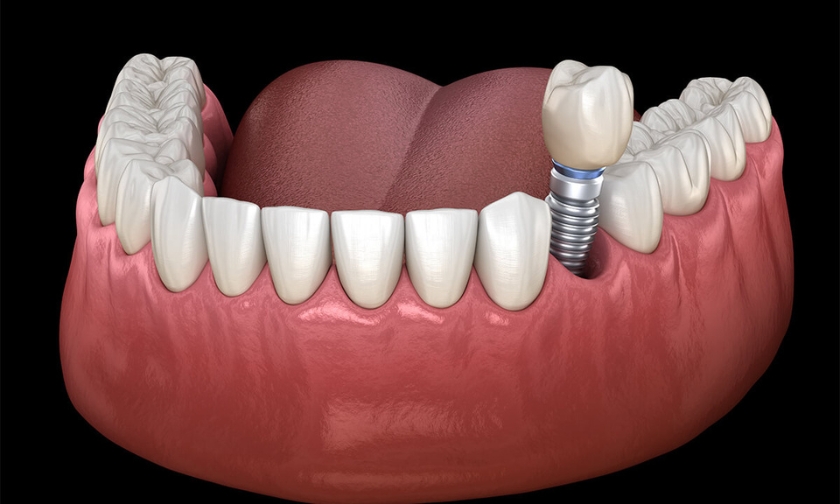
For patients considering dental implants in Holmdel, early action often preserves bone and simplifies future treatment.
Neighboring Teeth Begin to Shift
Teeth rely on each other for support. When one is missing, the surrounding teeth begin to drift toward the open space. This movement may be slow, but it is constant.
As teeth shift, your bite changes. You may notice food getting stuck more often or discomfort when chewing. In some cases, the opposing tooth begins to over-erupt, growing longer because it no longer meets resistance.
Over time, this movement can lead to uneven wear, jaw strain, and additional dental concerns that were not present when the tooth was first lost.
Chewing Efficiency and Nutrition Can Decline
A full set of teeth plays a major role in how well you chew your food. Missing teeth often cause people to favor one side of their mouth or avoid some foods altogether.
Crunchy fruits, raw vegetables, nuts, and lean proteins become more complicated to manage. Many people unknowingly shift toward softer, processed foods, which can affect overall nutrition. Over months or years, this change can impact digestion and general health.
For patients focused on staying active, whether it’s morning walks at Holmdel Park or long days on the go, proper chewing supports energy and wellness more than most realize.
Gum Health Becomes Harder to Maintain
The gap left behind by a missing tooth can trap food and bacteria. Cleaning becomes more difficult, even with good brushing habits. Over time, this increases the risk of gum irritation and infection in that area.
Inflamed gums (periodontitis) can pull away from the teeth, creating pockets that are difficult to keep clean. These conditions may spread to neighboring teeth, creating new issues that require attention.
Replacing a missing tooth helps maintain a healthier oral environment and reduces long-term risks to your gums.
Facial Changes May Develop Gradually
Jawbone loss not only affects your mouth. It can also influence the shape of your face. As the bone shrinks, the lower face may appear sunken or collapsed over time.
This change often happens slowly, making it easy to miss until it becomes noticeable. Lines around the mouth may deepen, and the smile may lose its natural support.
Prompt tooth replacement helps maintain facial structure and supports a more balanced appearance.
Treatment Can Become More Complex Later
One of the most common misconceptions is that waiting does not affect treatment options. In reality, delays can limit what is possible later.
As bone loss progresses, additional procedures may be required before placing an implant. This can extend treatment timelines and increase the number of steps involved. Early care often allows for a more straightforward process.
Patients who explore dental implants in Holmdel sooner often benefit from simpler planning and fewer added procedures.
Emotional Confidence Can Quietly Erode
Many people do not initially connect tooth loss with emotional well-being. Over time, however, changes in speech, smile, or eating habits can influence confidence.
You may catch yourself covering your mouth when laughing or avoiding photos. These minor adjustments can affect social interactions, professional settings, and daily comfort.
Restoring a missing tooth often brings relief that goes beyond function—it restores ease and self-assurance.
Signs That Waiting May Be Causing Problems
If you have delayed replacing a missing tooth, watch for these signs:
- Shifting or crowding of nearby teeth
- Changes in how your bite feels
- Frequent food trapping in the open space
- Gum tenderness near the gap
- Difficulty chewing hard foods
- Subtle changes in facial shape
These signals suggest that your mouth is adapting in ways that may complicate future care.
Why Timely Action Matters
Choosing to move forward is not about urgency or pressure. It is about preventing avoidable changes that later require more extensive oral care.
Modern implant solutions are designed to restore balance, comfort, and stability. When addressed early, they help preserve bone, protect surrounding teeth, and maintain long-term oral health.
For patients balancing busy schedules across Holmdel, Colts Neck, and surrounding areas, proactive care often means fewer appointments and better outcomes over time.
A missing tooth does not remain a single issue for long. It quietly influences bone health, bite balance, nutrition, and confidence. Addressing it sooner often protects more than just your smile.
If you have been putting off care, a conversation can bring clarity and help you understand what your mouth needs now and how to protect it moving forward.
Frequently Asked Questions
Can I wait years before replacing a missing tooth?
Yes, but waiting increases the risk of bone loss, shifting teeth, and bite changes that may complicate future treatment.
Does a missing tooth affect the teeth I still have?
Yes. Nearby teeth can drift, wear unevenly, and become harder to clean, increasing the risk of additional problems.
Will chewing feel different over time?
Many people adjust without noticing, but chewing efficiency often declines, leading to food avoidance and dietary changes.
Can bone loss be reversed naturally?
No. Once bone is lost, it typically requires a dental procedure to rebuild support.
Is treatment more involved if I wait too long?
In many cases, yes. Delayed care may require additional steps before an implant can be placed.