(732) 444-8822


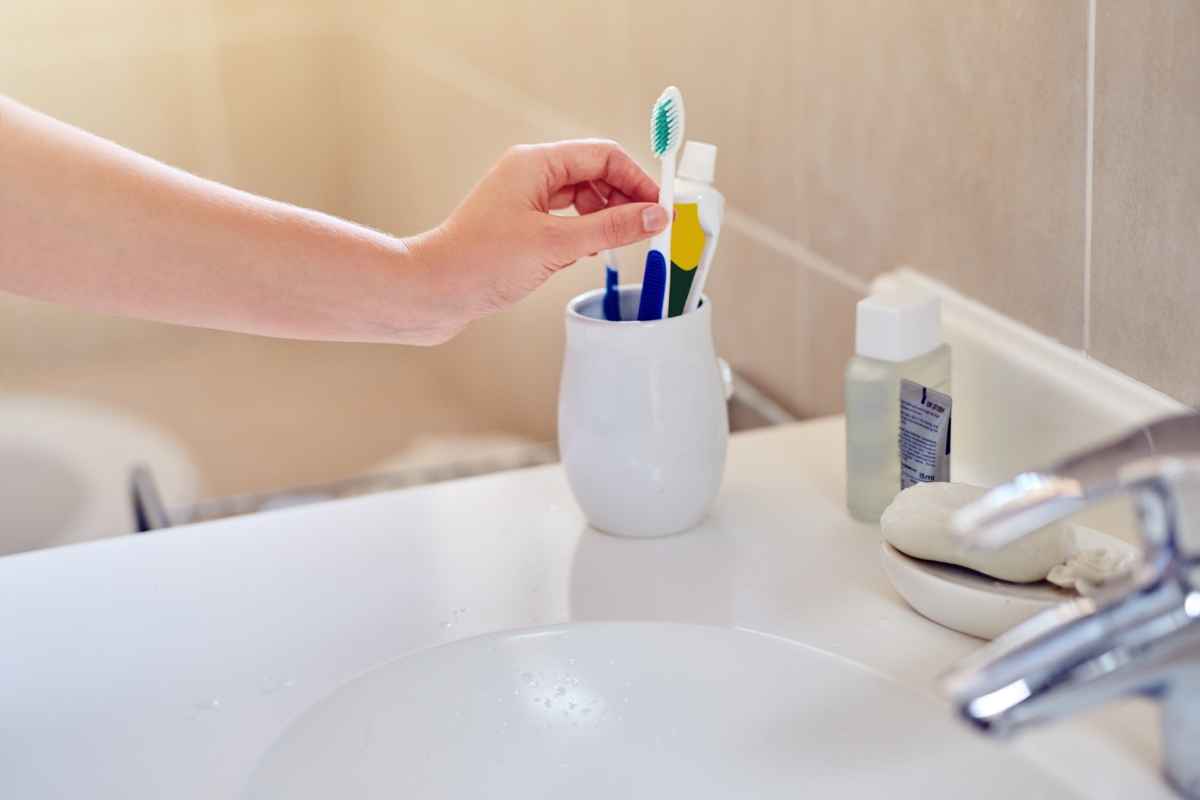
Your toothbrush plays a pivotal role in your daily oral hygiene routine. It helps remove plaque, fight bacteria, and keep your teeth and gums healthy. But have you ever wondered when it’s time to replace your toothbrush? Knowing when to swap out your brush can be just as important as brushing your teeth correctly. Let’s dive into how often you should replace your toothbrush and why it matters.
The Lifespan of a Toothbrush
Toothbrushes aren’t built to last forever. Over time, the bristles on your toothbrush begin to wear down, making it less effective at cleaning your teeth. The American Dental Association (ADA) recommends replacing your toothbrush every three to four months. But that’s not the only reason you should consider getting a new one.
Signs You Need to Replace Your Toothbrush
While the three-to-four-month guideline is a good rule of thumb, a Holmdel dentist talks about other signs that indicate it’s time for a replacement:
- Frayed Bristles: Once the bristles on your toothbrush start to fray or splay out, it’s a clear sign that the brush is no longer effective. Frayed bristles can’t clean your teeth properly, so it’s time for a new one.
- Visible Wear and Tear: If the bristles appear worn or lose their shape, they won’t be able to reach the surfaces of your teeth effectively. This compromises your oral health.
- Illness: If you’ve been sick, especially with a cold, flu, or sore throat, it’s a good idea to replace your toothbrush to avoid reintroducing bacteria or germs into your mouth.
- Bad Odor: A toothbrush should smell clean after rinsing it. If it develops an unpleasant odor, it may harbor bacteria or mold, indicating it’s time to replace it.
Why Replacing Your Toothbrush Matters
You might be thinking, “Why is it so important to replace my toothbrush regularly?” The answer is simple: a worn-out toothbrush is less effective at cleaning your teeth. Bacteria and plaque can accumulate more easily, leading to dental issues such as cavities, gum disease, and bad breath. A new toothbrush ensures your bristles do the best job possible of cleaning every surface of your teeth.
Additionally, using an old toothbrush increases the risk of bacteria build-up, which can lead to infections in your gums or mouth. This is especially crucial for those with weakened immune systems, as it can increase the chances of oral health problems. By keeping your toothbrush in top shape, you’re ensuring the best possible protection against oral health issues.
Choosing the Right Toothbrush
When it’s time to replace your toothbrush, it’s also a good opportunity to consider whether you’re using the best type for your needs. Toothbrushes come in various shapes, sizes, and bristle types. Whether you choose a manual or electric toothbrush depends on your preference, but here’s what to keep in mind:
- Bristle Type: Opt for soft or extra-soft bristles to help prevent gum and enamel damage. Hard bristles can cause gum recession and enamel erosion.
- Head Size: Choose a toothbrush head that fits comfortably in your mouth and can reach all areas, including the back molars.
- Electric vs. Manual: Both types can be effective if used properly, but electric toothbrushes tend to clean better, especially for those who have difficulty brushing effectively.
When to Replace Your Toothbrush for Kids
If you’re replacing a child’s toothbrush, it’s essential to choose one that’s appropriate for their age and size. Children’s toothbrushes should also be replaced every three to four months, or sooner if the bristles show signs of wear. If your child has been sick, be sure to replace their toothbrush right away to avoid the spread of germs.
How Often Should You Replace Your Toothbrush? A Quick Recap
- Every 3-4 months: This is the ideal timeframe to replace your toothbrush for optimal cleaning.
- When bristles are frayed: If the bristles are no longer standing straight, it’s time for a new toothbrush.
- After illness: Replace your toothbrush to avoid reinfection.
- When it starts to smell: A toothbrush that develops a bad odor may have bacteria, indicating that it’s time for a replacement.
Replacing your toothbrush regularly is an easy yet vital part of maintaining good oral hygiene. A new toothbrush helps keep your teeth clean and your gums healthy, preventing unnecessary dental problems down the road. If you’re due for a new toothbrush, consider visiting a dentist in Holmdel to ask for recommendations on the best type for your oral health.
Schedule your next dental check-up at Dimension Dental today, and let us help you maintain a bright, healthy smile!
FAQs
1. Can I use a toothbrush for more than 4 months?
It’s not recommended. After four months, your toothbrush becomes less effective at cleaning, and the bristles can harbor bacteria.
2. How do I properly care for my toothbrush?
Rinse your toothbrush thoroughly after each use, store it upright, and avoid covering it, as a dry environment helps prevent bacterial growth.
3. Is it necessary to replace my toothbrush if I haven’t been sick?
Yes. Even if you haven’t been sick, the bristles wear down over time, reducing their effectiveness. It’s essential to replace your toothbrush every three to four months.
4. Can I disinfect my toothbrush instead of replacing it?
While you can disinfect your toothbrush by rinsing it in lukewarm water, it’s still best to replace it regularly to ensure optimal oral hygiene.
5. How can I remember to replace my toothbrush?
Set a reminder on your phone every three months, or make it a habit to replace your toothbrush at the start of each season.