(732) 444-8822


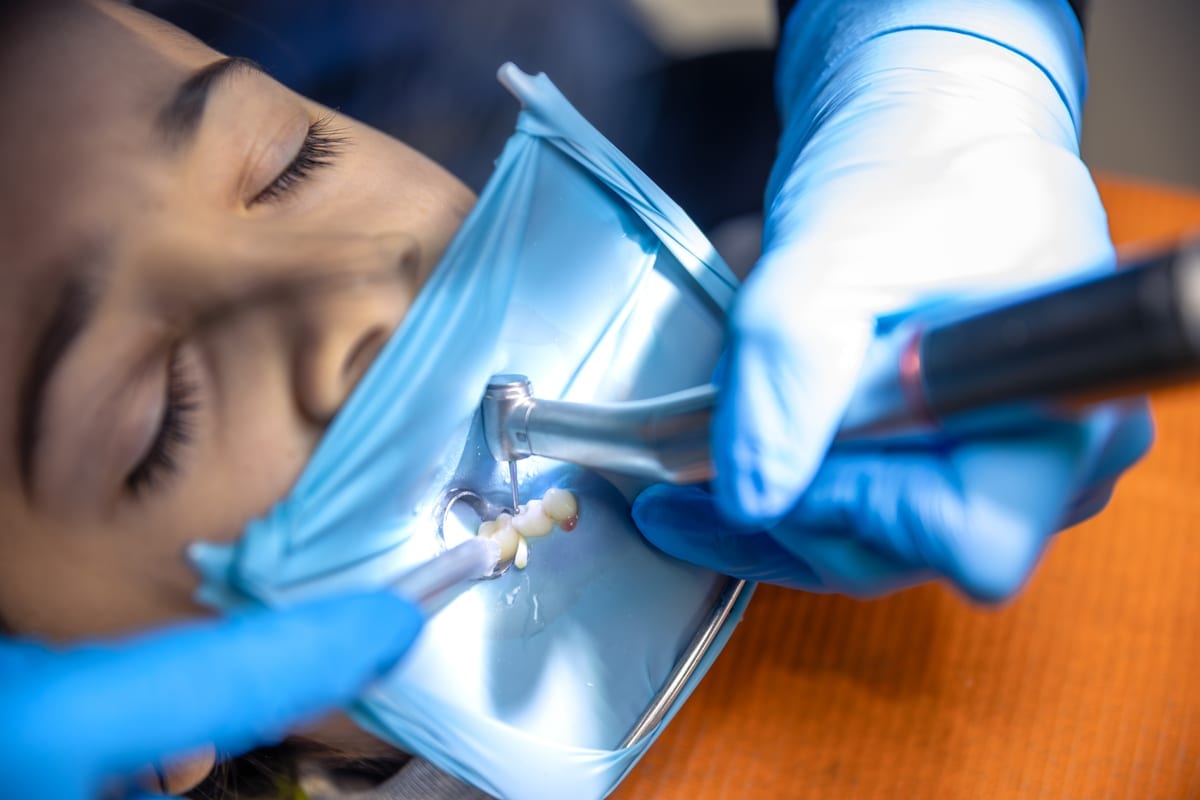
If you’ve ever asked about root canal treatment and walked away confused by the price range, you’re not alone. Why root canal costs vary more than you’d expect in Holmdel surprises many patients at first. The truth is, several distinct factors influence what you’ll pay — and understanding them helps you make smarter decisions about your dental care. Dr. Elona Kaso at Dimension Dental of Holmdel is here to break it all down clearly.
What Factors Drive Root Canal Costs in Holmdel?
Root canal treatment is not a one-size-fits-all procedure. The complexity of your specific case plays a major role in determining cost. A straightforward situation looks very different from a complicated one — even if both involve the same type of treatment.
Several key variables shape the final price:
- Tooth location — Front teeth are simpler to treat than back molars
- Number of canals — More canals mean longer, more involved treatment
- Severity of infection — Advanced infections require additional steps
- Need for retreatment — Previously treated teeth are more complex to address
- Imaging and diagnostics — X-rays and cone beam scans add to total cost
Each of these elements stacks onto the base cost of the procedure. That’s why two patients getting root canals on the same day may receive very different estimates. Understanding this upfront prevents unwelcome surprises later.
How Tooth Type Affects the Price You Pay
The position of the affected tooth is one of the biggest cost drivers. Front teeth, called incisors and canines, typically have a single root canal. That makes them faster and easier to treat.
Back teeth — premolars and molars — are a different story. Molars can have three or four separate canals. Each canal must be carefully cleaned, shaped, and sealed. More canals means more time in the chair and more precise technique required.
This is why a root canal on a front tooth and one on a lower molar can feel like completely different procedures financially. The anatomy of your tooth directly influences the labor involved. Dr. Kaso takes time to explain these differences before beginning any treatment.
After root canal therapy, most teeth need a dental crown to protect the restored tooth. That additional restoration is typically quoted separately. It’s important to factor that into your overall treatment planning conversation.
General Dentist vs. Endodontist — Does It Change the Cost?
Many patients wonder whether seeing a specialist changes what they pay. Endodontists are root canal specialists who focus exclusively on this type of care. General dentists like Dr. Kaso are fully trained to perform root canals on many cases as well.
Seeing a specialist often carries a higher fee. Specialist practices have different overhead structures and referral-based patient flows. However, not every root canal requires a specialist — many can be handled expertly in a general dental setting.
At Dimension Dental of Holmdel, Dr. Kaso evaluates each patient individually. If a case is complex or involves unusual anatomy, she’ll discuss whether a specialist referral makes sense. Keeping care in one trusted office often reduces both cost and inconvenience for patients.
Choosing a general dentist for appropriate cases can be a practical and cost-effective decision. What matters most is that your provider has the skill and technology to do the job safely and well.
Why Diagnosis and Technology Factor Into the Total
Modern root canal care relies on precise imaging. Digital X-rays help identify the extent of infection and map canal anatomy. Some cases require cone beam computed tomography (CBCT) scans for a three-dimensional view.
These diagnostic tools are not optional extras — they’re essential for safe, effective treatment. They also contribute to the total cost of care. Practices that invest in advanced technology often provide more accurate diagnoses and better outcomes.
Dimension Dental of Holmdel uses up-to-date equipment to support accurate treatment planning. This helps Dr. Kaso identify issues early and avoid complications during treatment. Better imaging leads to better results for patients.
The tools used during the procedure itself also matter. Rotary instruments, dental microscopes, and biocompatible filling materials all contribute to treatment quality — and to cost. These aren’t areas where cutting corners benefits the patient.
When a Dental Emergency Leads to Root Canal Treatment
Tooth pain doesn’t always follow a convenient schedule. Many patients discover they need a root canal after a sudden, severe toothache. In these situations, getting care quickly is critical to preventing further damage.
If you’re dealing with sudden dental pain in Holmdel, Emergency Dentistry Holmdel services at Dimension Dental can help you get seen promptly. Emergency visits may include their own diagnostic fees, which layer onto the overall cost of subsequent treatment. Understanding this helps you plan even in urgent moments.
Acting fast when you have dental pain often reduces the total cost of treatment. A tooth caught early may need a simpler procedure than one left to worsen. Delaying care almost always makes the situation — and the bill — more complicated.
Root Canal vs. Other Restorative Options
Some patients wonder whether root canal treatment is worth the cost compared to extraction. Removing a tooth may seem like the cheaper short-term choice. However, replacing a missing tooth with a dental implant or bridge typically costs significantly more over time.
Preserving your natural tooth through root canal therapy is usually the most cost-effective long-term strategy. Natural teeth function better and help maintain jawbone health. Losing a tooth sets off a chain of changes that require additional treatment down the road.
Root canal treatment is also one step in a broader smile health journey. Patients who’ve completed restorative work sometimes explore Cosmetic Dentistry Holmdel options to further enhance their smile. A healthy foundation always makes cosmetic results more predictable and lasting.
What to Expect During Your Root Canal Visit
Knowing the steps involved helps reduce anxiety about the procedure. Root canal treatment at Dimension Dental of Holmdel follows a clear, patient-friendly process:
- Initial exam and imaging — Dr. Kaso reviews X-rays and assesses your symptoms
- Local anesthesia — The area is numbed thoroughly before any work begins
- Canal cleaning — Infected pulp is carefully removed from each canal
- Shaping and sealing — Canals are shaped and filled with biocompatible material
- Temporary or permanent restoration — The tooth is sealed and often prepared for a crown
Most patients report feeling far less discomfort than they anticipated. Modern techniques and effective anesthesia make root canal treatment much more comfortable than its old reputation suggests. Dr. Kaso and her team prioritize a calm, supportive experience throughout.
Making an Informed Decision About Your Dental Care
Understanding why root canal costs vary more than you’d expect in Holmdel puts you in a stronger position as a patient. Knowledge removes fear and helps you have more productive conversations with your dentist. You deserve to understand exactly what you’re paying for and why.
At Dimension Dental of Holmdel, Dr. Kaso takes the time to walk every patient through their treatment options clearly. Transparency is a core part of the care experience here. No one should feel confused or pressured when making important health decisions.
If you have questions about root canal treatment or want to discuss your specific situation, our team is ready to help. Book Now to schedule your appointment with our team.
Frequently Asked Questions
Why does root canal treatment cost more on some teeth than others?
The number of canals in a tooth directly affects the complexity and time required for treatment. Front teeth usually have one canal, while back molars can have three or four. More canals mean a longer, more detailed procedure — and a higher associated cost.
Does getting a root canal at a general dentist cost less than seeing a specialist?
In many cases, yes. Endodontists are specialists who typically charge higher fees. A skilled general dentist like Dr. Kaso can handle many root canal cases effectively in-office. Complex or unusual cases may warrant a specialist referral, which your dentist will discuss with you.
Is a dental crown always required after a root canal?
Not always, but in most cases — especially for back teeth — a crown is strongly recommended. The root canal procedure removes tissue that gives the tooth some structural support. A crown protects the treated tooth from cracking or breaking under normal chewing pressure.
How does delaying a root canal affect the total cost of treatment?
Waiting allows infection to spread and can lead to more severe damage. A tooth that could have been saved with a simple root canal may eventually require extraction and replacement. That replacement — such as an implant or bridge — typically costs far more than early root canal treatment.
What makes root canal treatment at Dimension Dental of Holmdel different?
Dr. Elona Kaso takes a thorough, patient-centered approach to every case. She uses modern imaging and instruments to ensure accurate diagnosis and comfortable treatment. Patients also receive clear explanations of their options so they can make confident, informed decisions about their care.