(732) 444-8822


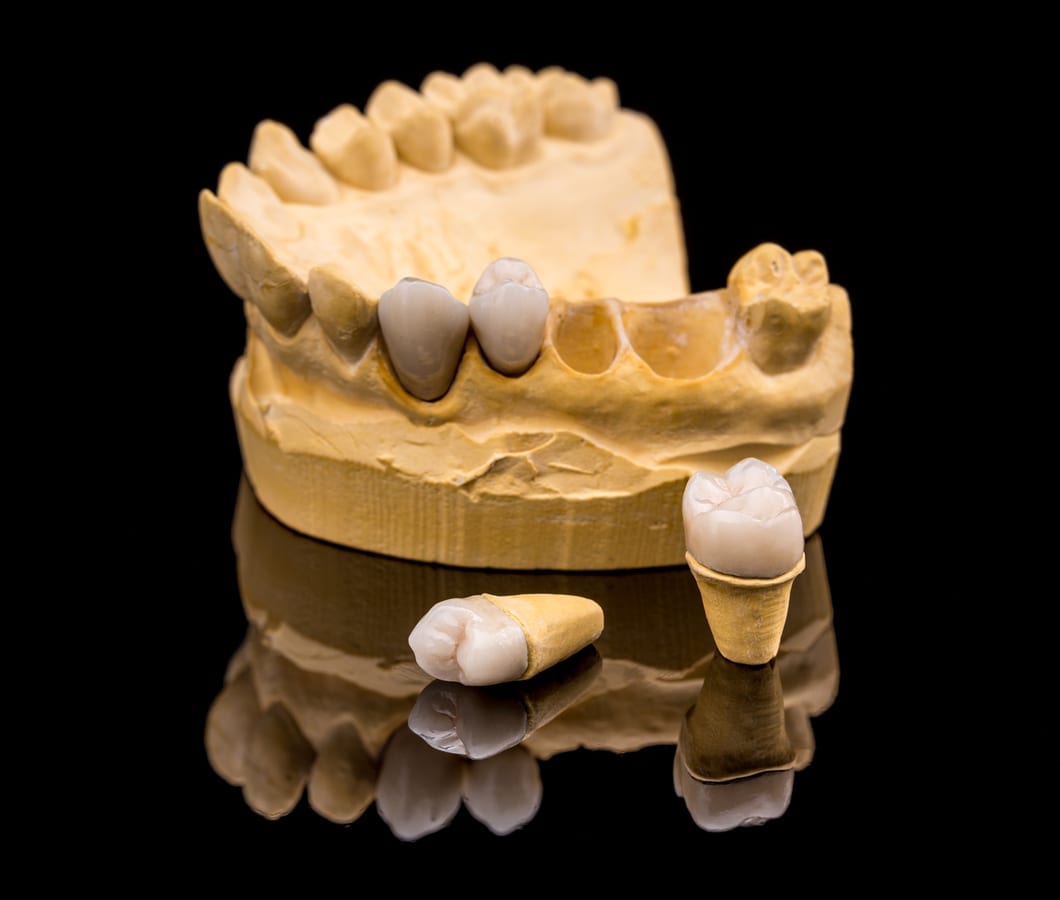
Getting a dental crown is a big step toward restoring your smile. But the work does not stop once you leave the dental chair. Knowing what foods to avoid and which care habits to build will help your new crown last for years. Patients in Strathmore, NJ can protect their investment with a few simple daily routines. This guide walks you through everything you need to know about your new crown — foods to avoid and care habits that last in Strathmore.
Why Proper Crown Care Matters in Strathmore
A dental crown covers and protects a damaged or weakened tooth. It is custom-made to fit your bite and blend with your smile. With proper care, a crown can last 10 to 15 years or even longer. Without it, crowns can chip, loosen, or fail much sooner.
Many Strathmore patients do not realize that the margin — where the crown meets the gum — is especially vulnerable. Plaque can build up in that tiny gap over time. That buildup can lead to decay underneath the crown. Regular attention to that area keeps your restoration strong and your natural tooth protected beneath it.
Dr. Elona Kaso at Dimension Dental of Holmdel emphasizes that a crown is only as good as the care around it. The goal is not just to preserve the crown itself. The goal is to protect the tooth structure and gum health supporting it. Good habits now prevent costly problems later.
Foods to Avoid After Getting Your New Crown
The first 24 to 48 hours after placement are the most critical. Your crown is newly cemented and needs time to fully bond. Eating the wrong things during this window can dislodge or damage it before it fully sets.
Even after the initial healing period, some foods remain risky long-term. Hard and sticky foods are the biggest culprits. They can crack the crown material or pull it right off the tooth. Here is a list of foods to avoid or limit:
- Hard candies and lollipops — biting down on these can fracture porcelain
- Ice — chewing ice stresses any restoration, not just crowns
- Sticky caramels and taffy — these can pull the crown loose
- Chewy bagels and crusty bread — hard chewing puts pressure on margins
- Popcorn kernels — unpopped kernels are notoriously crown-breakers
- Nuts and seeds — especially hard varieties like almonds or pine nuts
- Tough cuts of meat — these require excessive jaw force
You do not have to eat soft foods forever. But staying mindful of these items will extend your crown’s life significantly. When in doubt, cut food into smaller pieces and chew on the opposite side of your mouth.
How to Clean Around Your Crown Margins Each Day
Cleaning the margin of your crown is one of the most important habits you can build. That thin line where porcelain meets gum tissue is a prime spot for bacteria. Standard brushing alone is often not enough to keep it clean.
Use a soft-bristled toothbrush and fluoride toothpaste twice daily. Angle the brush at 45 degrees toward the gumline. This technique helps dislodge plaque sitting at the crown margin. Spend at least two minutes brushing, paying extra attention to the crowned tooth.
Flossing is equally critical — perhaps even more so for crowned teeth. Slide floss gently between the crowned tooth and its neighbor. Do not snap or force the floss down. Use a slow, C-shaped motion around the margin and under the gumline. Interdental brushes and water flossers are great additional tools for this area.
Here are some daily crown care habits that make a real difference:
- Brush twice daily using a soft-bristled toothbrush
- Floss every night before bed — do not skip the crowned tooth
- Use an antibacterial mouthwash to reduce gum bacteria
- Avoid whitening toothpastes, which can be too abrasive for porcelain
- Schedule professional cleanings every six months at minimum
Night Guards — A Must-Have for Grinders
Many people grind or clench their teeth at night without knowing it. This condition is called bruxism. It is one of the top reasons dental crowns fail prematurely. The forces involved during nighttime grinding can crack even the strongest porcelain.
If you grind your teeth, a custom night guard is not optional — it is essential. A night guard creates a protective barrier between your upper and lower teeth. It absorbs the force so your crown does not have to. Dr. Elona Kaso can evaluate your bite and fit you for a guard that is comfortable and effective.
Signs you may be grinding include waking up with jaw soreness or headaches. Your partner may also hear grinding sounds during the night. You might notice your teeth feeling sensitive or your jaw feeling tight in the morning. Do not ignore these signs, especially after investing in a new crown.
Over-the-counter night guards exist, but custom-fitted options from your dentist offer far superior protection. They fit precisely to your teeth and allow your jaw to rest in a natural position. For Strathmore patients who grind, a night guard may be the single most important step to preserve your crown long-term.
When to Call Your Dentist About Your Crown
Even with excellent care, issues can occasionally arise. Knowing when to act quickly protects both your crown and the tooth beneath it. Some warning signs need same-day attention. If you are experiencing pain or a dislodged crown, Emergency Dentistry at Dimension Dental is available to help.
Contact your dental office right away if you notice any of the following. A crown that feels loose or shifts when you bite is a dental emergency. Pain or sensitivity that does not resolve within a few days should also be evaluated. A visible crack or chip in the crown material needs professional attention before it worsens.
Your crowned tooth can still develop decay at the margin if oral hygiene slips. Regular checkups allow Dr. Kaso to spot early signs before they become bigger problems. Do not wait for symptoms to become severe before reaching out. Early intervention always leads to better outcomes.
Connecting Crown Care to Your Overall Smile Health
A dental crown is just one part of a healthy, complete smile. Caring for your crown is the same as caring for your overall oral health. The habits you build around your crown benefit every tooth in your mouth. Strathmore patients who commit to these routines tend to have healthier smiles across the board.
If you are curious about other ways to enhance your smile beyond crowns, explore Cosmetic Dentistry options at Dimension Dental of Holmdel. From dental bonding to smile makeovers, there are many ways to build on a strong foundation. Every restoration works better when it is part of a comprehensive care plan.
Dr. Elona Kaso and the team at Dimension Dental are proud to serve Strathmore and the surrounding Holmdel area. We believe patient education is the foundation of lasting dental health. A well-informed patient makes better daily decisions — and that shows in their smile.
Your new crown deserves the best care you can give it. Build the habits now and protect your investment for the long haul. Book Now to schedule your appointment with our team.
Frequently Asked Questions
How long does a dental crown last with proper care?
A well-maintained dental crown can last anywhere from 10 to 15 years, and often longer. The key factors include daily oral hygiene, avoiding damaging foods, and attending regular dental checkups. Patients who grind their teeth should also wear a night guard to prevent premature wear on the crown material.
Can I eat normally after getting a dental crown?
Most patients return to a normal diet within a day or two after placement. However, you should permanently avoid very hard foods like ice and hard candies, as well as sticky foods like caramel. Cutting food into smaller pieces and chewing carefully will help protect your crown over time.
Do I need to floss around a dental crown?
Yes, flossing around a dental crown is essential. The margin where the crown meets the gumline is a common spot for plaque buildup, which can lead to decay beneath the crown. Use a gentle C-shaped motion and avoid snapping the floss to prevent dislodging the crown.
What happens if my crown comes off?
A dislodged crown is a dental emergency and should be addressed as soon as possible. Keep the crown safe and avoid eating on that side of your mouth. Contact Dimension Dental of Holmdel right away so Dr. Elona Kaso can re-cement or evaluate the crown and the underlying tooth.
Do I need a night guard if I have a dental crown?
If you grind or clench your teeth, a custom night guard is strongly recommended after getting a crown. Bruxism places significant force on restorations and can crack or loosen a crown over time. A professionally fitted night guard distributes that pressure evenly and significantly extends the life of your crown.