(732) 444-8822


A beautiful smile does not have to look perfect to look attractive. In fact, the most appealing smiles often retain the small details that make natural teeth unique. If you are considering cosmetic dental treatment, you may want whiter teeth, a more even appearance, or a solution for chips and gaps. However, you might also worry that veneers or other cosmetic procedures will make your teeth look too large, too white, or unnatural.
The good news is that a smile makeover can enhance your appearance without making your teeth look artificial. The key is choosing treatments that complement your facial features, natural tooth structure, and personal preferences. With careful planning and the right cosmetic dental approach, you can achieve a brighter, more balanced smile while maintaining its natural character.
What Makes a Smile Makeover Look Natural?
A natural-looking smile makeover focuses on balance rather than perfection. Instead of giving every patient the same bright, uniform teeth, a dentist considers how each tooth contributes to the overall appearance of the smile.
Several factors influence whether cosmetic dental results look natural:
Appropriate Tooth Color
Choosing the right shade is essential. Teeth that are excessively white can look artificial, especially when they do not complement a person's complexion or surrounding features. A suitable shade should brighten the smile while maintaining a realistic appearance.
Natural Tooth Shape and Size
Teeth come in different shapes and sizes. Their proportions influence how the smile looks when you speak, laugh, or smile naturally. Cosmetic treatments should preserve these individual characteristics rather than creating teeth that appear identical.
Proper Alignment and Proportion
Uneven teeth, noticeable gaps, and irregular edges can affect the overall appearance of your smile. Correcting these concerns while maintaining appropriate spacing and proportions can create a more harmonious result.
Healthy-Looking Gums
The appearance of your gums also contributes to your smile. Uneven gum lines, excessive gum exposure, or inflammation can affect the final outcome. Addressing these concerns may be an important part of your treatment plan.
Why Do Some Cosmetic Dental Treatments Look Artificial?
One common concern about cosmetic dentistry is ending up with teeth that look noticeably different from natural teeth. This can happen when treatment focuses too heavily on achieving a perfectly white or uniform appearance instead of considering the patient's individual features.
Some factors that can contribute to an artificial-looking result include:
- Excessively white teeth: Choosing a shade that does not complement your natural appearance can make restorations stand out.
- Oversized veneers: Veneers that are too wide, long, or thick can change the proportions of your smile.
- Uniform tooth shapes: Natural teeth have subtle differences in contour and appearance. Making every tooth look identical can reduce their natural character.
- Poor treatment planning: Addressing individual cosmetic concerns without considering the entire smile may produce an unbalanced result.
- Ignoring bite function: Cosmetic improvements should also support comfortable chewing and proper tooth contact.
A successful smile makeover should consider both appearance and function. The goal is not to make people notice your dental work. It is to help you feel confident about your smile.
How Can a Dentist Create a Natural-Looking Smile Makeover?
Achieving realistic results begins with understanding what you want to change and what you want to preserve. A personalized treatment plan considers your dental health, facial features, tooth proportions, and aesthetic preferences.
If you are considering a Smile Makeover in Holmdel, NJ, Dimension Dental takes a comprehensive approach to improving the appearance, function, and health of your smile. Dr. Elona Kaso considers your individual needs and treatment goals when recommending cosmetic and restorative options.
Here are some important considerations that help guide the process.
1. Evaluate Your Facial Features
Your teeth should complement your overall appearance. A dentist considers factors such as facial proportions, lip shape, and how much of your teeth shows when you smile. These details help guide decisions about tooth length, width, and shape.
2. Choose a Suitable Tooth Shade
A brighter smile does not necessarily require the whitest available shade. Selecting a color that looks appropriate for your complexion and natural teeth can help prevent an overly artificial appearance.
3. Preserve Natural Tooth Structure
Whenever clinically appropriate, preserving healthy tooth structure is an important consideration. Your dentist can discuss conservative treatment options and explain how much preparation each procedure requires.
4. Consider Your Bite and Dental Health
Your teeth should look good and work comfortably. A proper evaluation helps identify concerns such as tooth wear, bite problems, cavities, and gum disease before cosmetic treatment begins.
5. Personalize Every Treatment
Not everyone needs the same procedures. Some patients may benefit from whitening and bonding, while others may require veneers, crowns, or restorative treatment. Choosing only the procedures that address your specific concerns can help create a balanced result.
Which Cosmetic Dental Treatments Can Help You Achieve Natural Results?
Different cosmetic procedures address different concerns. Your dentist can recommend one treatment or a combination based on your oral health and desired outcome.
Porcelain Veneers
Porcelain veneers are thin, custom-made coverings bonded to the front surfaces of teeth. They can improve the appearance of chipped, stained, uneven, or misshapen teeth.
When carefully designed, veneers can complement your natural tooth shape and color. The dentist considers their size, contour, and shade to create a result that blends with your smile.
However, veneers are not suitable for everyone. Treatment generally involves removing some enamel and is not reversible. Your dentist should discuss the benefits, limitations, and alternatives before proceeding.
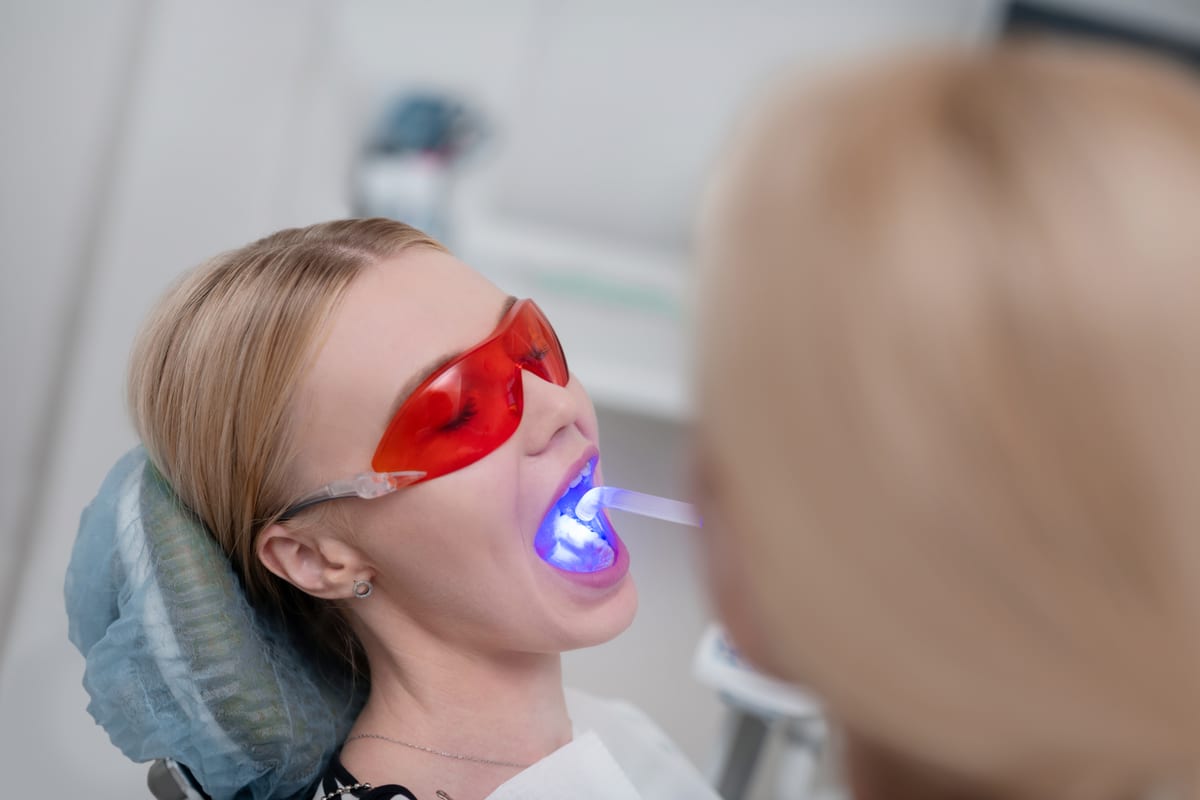
Professional Teeth Whitening
If your primary concern is yellow or stained teeth, professional whitening may be enough to refresh your smile. It lightens natural tooth enamel and can improve discoloration caused by aging, coffee, tea, and other staining factors.
A dentist can help determine an appropriate shade and recommend a whitening approach based on your teeth and sensitivity concerns.
Composite Bonding
Composite bonding uses tooth-colored resin to repair small chips, close minor gaps, and improve irregular tooth shapes. The material is carefully applied and shaped to blend with surrounding teeth.
It can be a suitable option for patients seeking subtle improvements without extensive dental work.
Dental Crowns
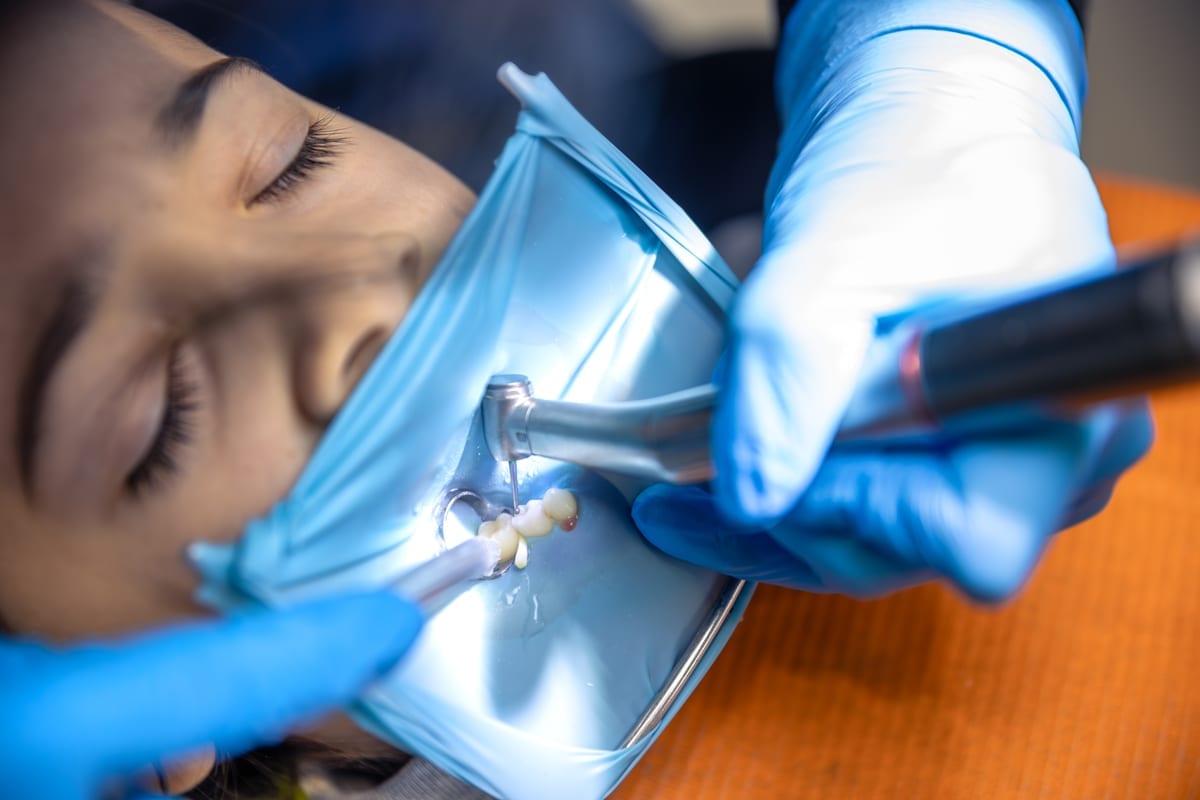
Dental crowns cover damaged or weakened teeth to restore their shape, strength, and appearance. They may be recommended when a tooth needs more protection than a veneer or bonding can provide.
A properly designed crown should complement the surrounding teeth while supporting normal function.
Gum Contouring
For patients concerned about an uneven gum line or excessive gum visibility, gum contouring may help improve the proportions of the smile. A dentist must first evaluate gum health and determine whether this procedure is appropriate.
How Important Is Communication During Smile Makeover Planning?
Communication plays an important role in achieving results you feel comfortable with. Before starting treatment, explain what you like and dislike about your current smile.
Consider discussing the following questions:
- Do you want a subtle improvement or a more noticeable transformation?
- Are you concerned about teeth looking too white?
- Would you prefer to retain some natural variations in tooth shape?
- Are you comfortable with procedures that require permanent changes to your teeth?
- Do you want to correct one or two concerns or improve your entire smile?
You can also bring photographs of smiles you find appealing. These examples can help your dentist understand your preferences, although your final treatment plan must be based on your own dental anatomy and health.
At Dimension Dental, personalized treatment planning helps patients understand their options before making decisions. Dr. Kaso's approach considers the relationship between aesthetics, bite function, and long-term oral health.
Why Should You Prioritize Dental Health Before Cosmetic Treatment?
A beautiful smile starts with healthy teeth and gums. Cosmetic procedures should not be used to cover up untreated dental problems.
Before recommending treatment, your dentist should evaluate your teeth, gums, bite, and existing restorations. Issues such as cavities, gum disease, and tooth infections may need attention first.
The American Dental Association's guide to dental veneers explains how veneers can improve the appearance of chipped, stained, crooked, or misshapen teeth. It also highlights the importance of treating existing dental problems and understanding that veneer placement is not reversible.
Addressing oral health concerns first helps create a healthier foundation for cosmetic improvements. It also allows your dentist to recommend treatments that support both appearance and function.
How Can You Maintain Your Natural-Looking Smile Makeover Results?
Once your treatment is complete, consistent oral care helps protect your investment and maintain your smile.
Follow these simple habits:
- Brush twice daily with fluoride toothpaste.
- Floss or clean between your teeth every day.
- Attend regular dental checkups and professional cleanings.
- Avoid chewing ice, biting hard objects, or using your teeth to open packages.
- Limit frequent exposure to foods and drinks that cause staining.
- Wear a dentist-recommended nightguard if you grind or clench your teeth.
- Follow the specific care instructions for your veneers, crowns, or other restorations.
Remember that cosmetic restorations require maintenance. Veneers, crowns, and bonding can wear, chip, or need repair over time. Regular dental visits help your dentist monitor their condition.
Transform Your Smile Without Losing Its Natural Character
You do not need perfectly identical or unnaturally white teeth to enjoy a beautiful smile. The right cosmetic dental approach focuses on improving what bothers you while preserving the features that make your smile unique.
Whether you want to correct discoloration, repair chipped teeth, improve uneven spacing, or explore a complete transformation, personalized treatment planning can help you understand your options.
At Dimension Dental in Holmdel, NJ, Dr. Elona Kaso takes a comprehensive approach to smile makeovers, considering aesthetics, dental health, and function. If you are ready to explore ways to enhance your smile without making it look artificial, schedule a consultation with Dimension Dental by calling (732) 444-8822 or booking online. Discuss your goals, learn about suitable treatments, and take the first step toward a smile that looks and feels like you.
Frequently Asked Questions
Can a smile makeover look completely natural?
Yes. A smile makeover can produce natural-looking results when treatments are selected according to your facial features, tooth proportions, natural tooth color, and dental health. The goal is to enhance your smile without making it look overly uniform or artificial.
Will porcelain veneers make my teeth look fake?
Not necessarily. Porcelain veneers can look natural when their color, shape, thickness, and proportions are carefully selected. Working with an experienced cosmetic dentist and discussing your preferred appearance can help achieve a result that complements your smile.
What is the most natural-looking cosmetic dental treatment?
There is no single treatment that works best for everyone. Professional whitening may be suitable for discoloration, composite bonding can correct minor imperfections, and porcelain veneers may address more extensive cosmetic concerns. The right option depends on your dental condition and goals.
Can I choose how white my teeth will look after a smile makeover?
Yes. Tooth shade is an important part of treatment planning. You can discuss your preferred level of brightness with your dentist and select a shade that complements your appearance rather than looking excessively white.
How long does a natural-looking smile makeover take?
The timeline depends on the procedures included in your treatment plan. Whitening and bonding may require only one or two appointments, while veneers, crowns, implants, or more extensive restorations may take several weeks or months. Your dentist can provide an estimated timeline after evaluating your needs.